A Theory of Unlearning: Ecstasis, Anamnesis, Kenosis

A year ago in Productivity for Precious Snowflakes, I introduced the idea of Mood-First Productivity — that our moods, or unique states of mind, are fundamental drivers of creative knowledge work. But something was missing: how does one advance in the practice of Mood-First Productivity, besides noticing what mood you’re in at any given time, and trying…

Getting Things Done + Personal Knowledge Management

An Integrated Total Life Management System By Tiago Forte of Forte Labs To learn more, check out our online bootcamp on Personal Knowledge Management, Building a Second Brain. One of the key insights of Getting Things Done, the book on personal productivity by David Allen that spawned the worldwide movement known as GTD, was that…

The Future of Online Learning: STEVEs (Short Tiny Exclusive Virtual Experiences)

We are, I believe, in the third wave of online learning. The first wave, known as Massive Open Online Courses (MOOCs), consisted of traditional educational institutions putting their lectures online. The bottleneck was basic tech knowledge, and the innovators of this era were those institutions able to set up a basic website, film and edit…

Bending the Curves of Productivity

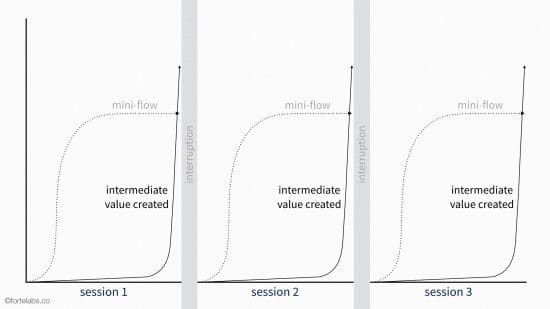
Originally published on the Evernote blog To learn more, check out our online bootcamp on Personal Knowledge Management, Building a Second Brain. Consider a typical working session of a couple hours. You set aside the time, silence your phone, and clear your desk, determined to finish some Work of Real Value. We know that time…

Theory of Constraints 109: Optimizing the Constraint

A SERIES OF 5-MINUTE POSTS ON APPLYING PRINCIPLES OF FLOW TO KNOWLEDGE WORK
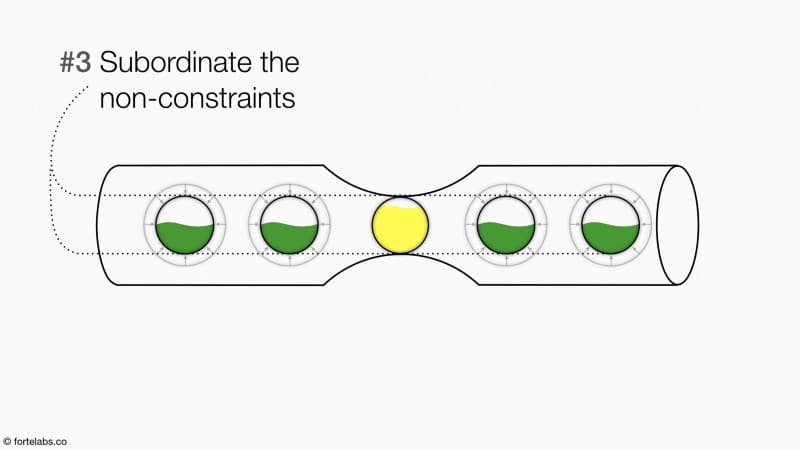
Previously, I described how to go about optimizing the constraint in an organization. The next step, #3 in the Five Focusing Steps, is to subordinate the work of all other employees to that constraint:

Identify the constraint
Optimize the constraint

The Secret Praxis Master Plan

It’s not just that I look like Elon Musk— life is just more fun when you have a secret master plan, isn’t it? You may be wondering, what in the world do manufacturing methodologies from the 1970s (which I’ve been writing about here the last few months) have to do with the future of productivity…

Theory of Constraints 108: Identifying the Constraint

A SERIES OF 5-MINUTE POSTS ON APPLYING PRINCIPLES OF FLOW TO KNOWLEDGE WORK
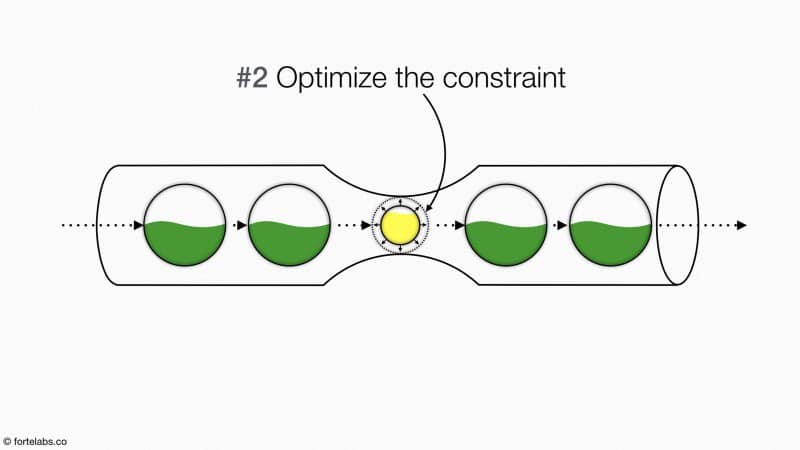
In the previous post, I described how to go about identifying the constraint in a knowledge work organization. The next step, #2 in the Five Focusing Steps, is to optimize that constraint:

Identify the constraint
Optimize the constraint
Subordinate the non-constraints

Theory of Constraints 106: DBR at Microsoft

A SERIES OF 5-MINUTE POSTS ON APPLYING PRINCIPLES OF FLOW TO KNOWLEDGE WORK
In the previous post, I told the story of a software engineering team at Microsoft who used the Theory of Constraints to produce dramatic improvements in productivity.

But I hope something bothered you: how exactly did they know which changes to make?

Theory of Constraints 101: Table of Contents

A SERIES OF 5-MINUTE POSTS ON APPLYING PRINCIPLES OF FLOW TO KNOWLEDGE WORK
Below you can find all the posts published so far, and a quick 3-point summary of each.

101: INTRODUCTION TO THE SERIES
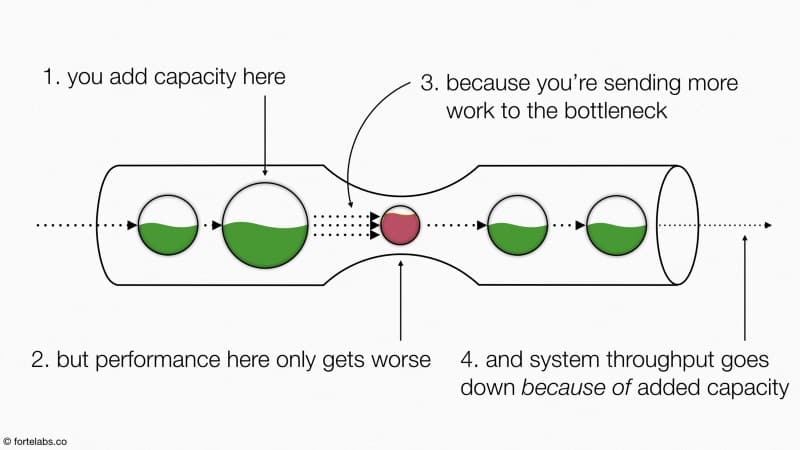
The basic premise of the Theory of Constraints as outlined in The Goal by Eliyahu Goldratt; the definition of a bottleneck or a constraint; why the only way to improve a system is to improve the constraint

Theory of Constraints 105: Drum-Buffer-Rope

A SERIES OF 5-MINUTE POSTS ON APPLYING PRINCIPLES OF FLOW TO KNOWLEDGE WORK
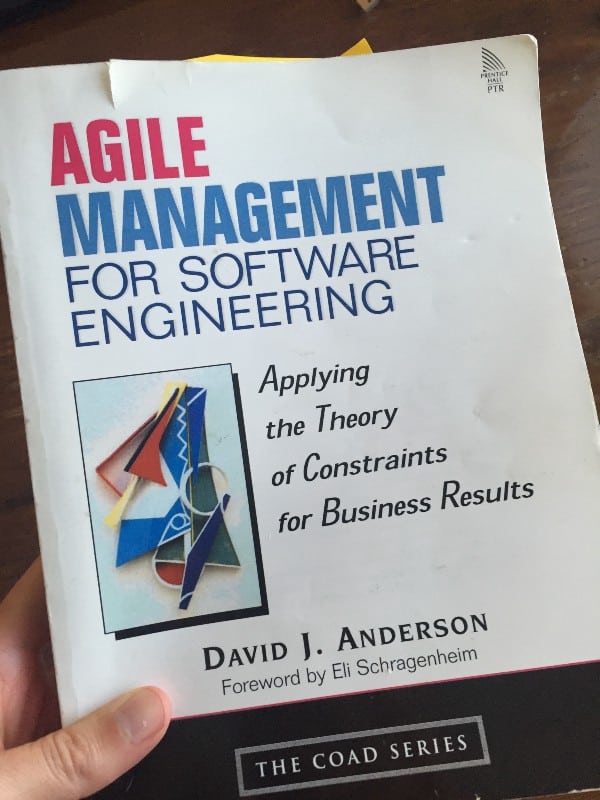
In the previous post, I explained Drum-Buffer-Rope (DBR), the original application of TOC to production environments like manufacturing. We’re now ready to take a closer look at a real-world example that brings together all the ideas we’ve covered in the series so far.