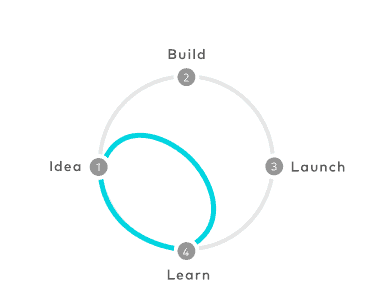
Impact Cycles: Finding the Why Beyond the How

By Ryan McCarthy of the Global Kindness Initiative You’re a fast runner. You’ve trained for years, worked with great coaches, studied the best techniques and workouts, and you’ve got all the best equipment. You’ve mastered your skill. The field you’re currently running through, however, is extremely foggy. You can barely see more than a few…

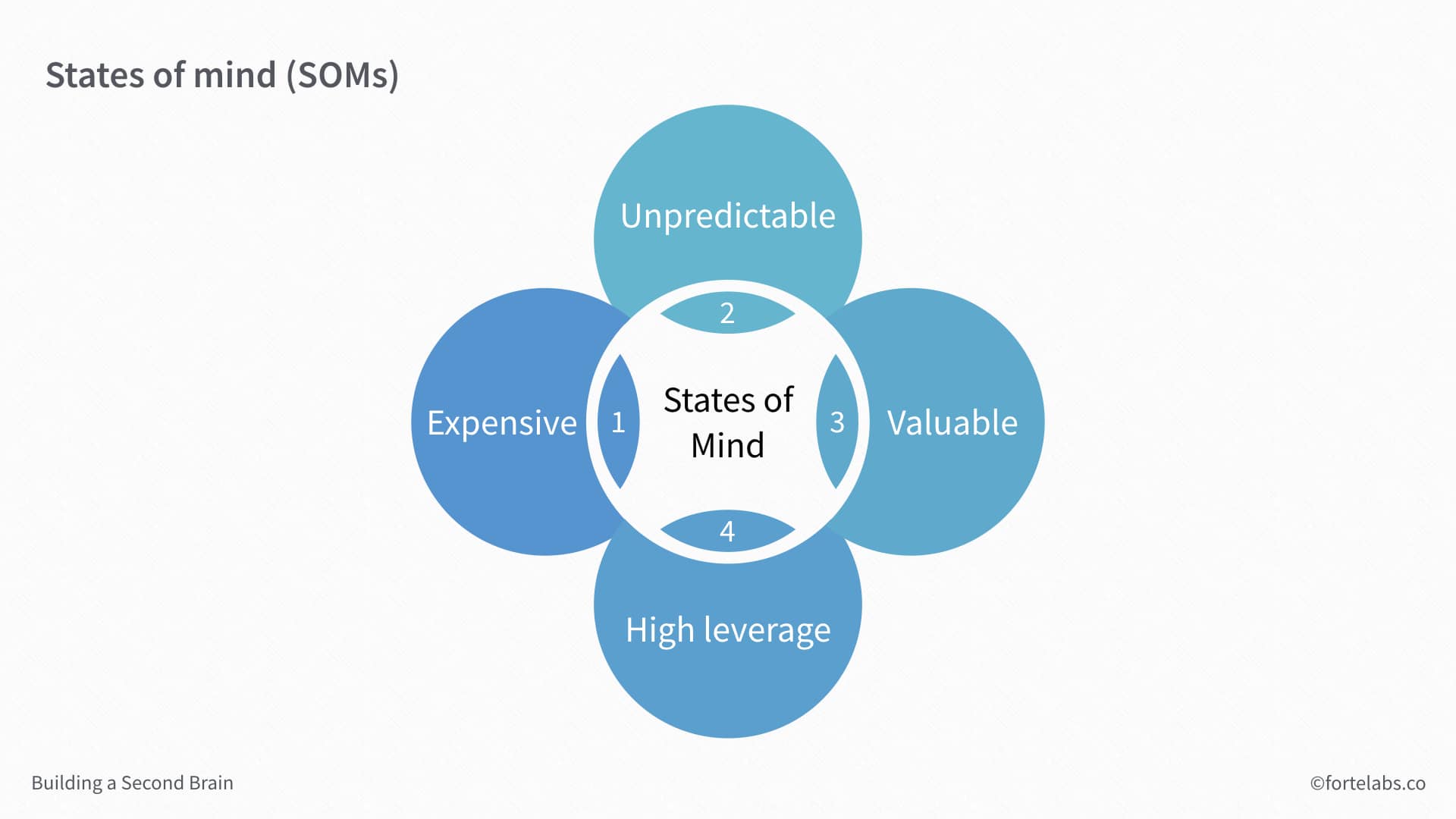
Just-In-Time PM #17: States of Mind

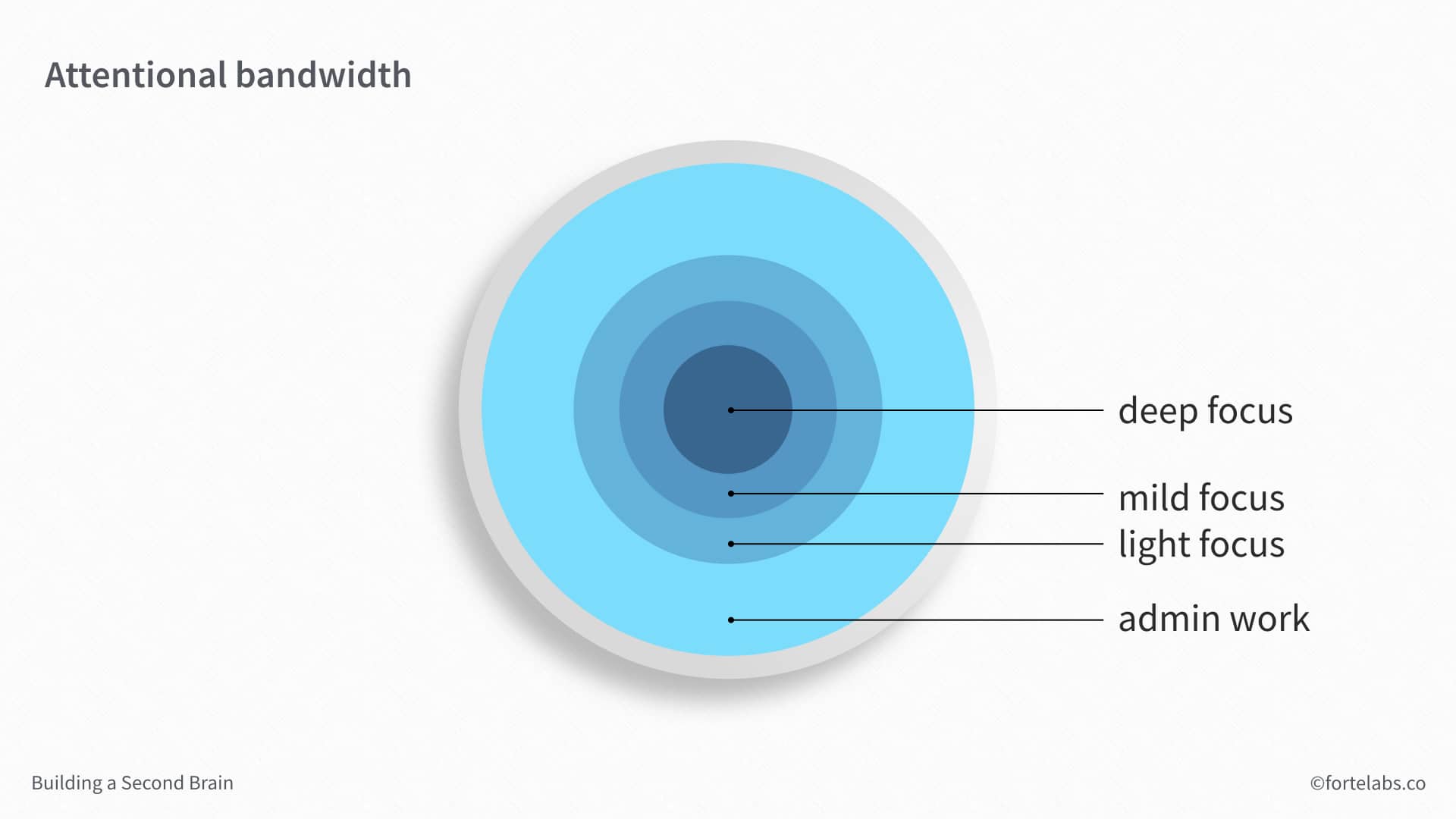
In Part 16, we refined our understanding of Return on Attention by taking into account our biggest constraint as knowledge workers – not just our attention but our deeply focused attention in particular.

But human attention is not a simple commodity like oil or gold. It can’t be stored in barrels or vaults or measured in liters or grams. Attention emerges from deep within the human psyche, which means that all aspects of human psychology come into play.

Just-In-Time PM #16: Effective ROA

In Part 15, I advocated for multithreading, or weaving together multiple projects to take advantage of unexpected opportunities and synergies.

To take advantage of the benefits of multithreading, it’s critical that you begin to think of yourself not as a lone project manager, but as a project portfolio manager (PPM). Traditionally found only in large companies with hundreds of simultaneous projects, digital technology has made it possible and necessary for each of us to manage a portfolio.

Just-In-Time PM #15: Multithreading

In Part 14, we looked at the potential for massively increasing our bandwidth by creating “personal productivity networks.” These networks are made up of packets of work that move between “nodes” where some kind of intelligence is applied, whether human or software-based.

But what does it look like to operate such a network in our day to day work?

Just-In-Time PM #12: Just-In-Case to Just-In-Time

In Part 11, I introduced the concept of a “critical path” of tasks in a project, and the rationale for pushing tasks as late as possible on the timeline.

The late starts approach inspires a tremendous amount of resistance, especially from creative knowledge workers. It sounds an awful lot like taking control from individual employees, centralizing it in a central decision maker, and forcing people to finish everything at breakneck speed at the last minute.

Just-In-Time PM #10: Structure, Features, and Purpose

In Part 9, I explained why it is so important to create placeholders for your work-in-process: to allow you to pursue multiple projects across different spans of time without losing your progress.

What we are converging towards is a set of core principles for how Digital Knowledge Work is fundamentally different from previous kinds of work.

Just-In-Time PM #8: Divergence and Convergence

In Part 7, I argued for the importance of interacting with information, instead of just passively consuming it. Interaction results in better learning at the same time as it creates valuable deliverables.

But incorporating all these new ideas about how work is completed – flow cycles and intermediate packets, downscoping and evolving deliverables, interaction over consumption – can be a little overwhelming.