Just-In-Time PM #12: Just-In-Case to Just-In-Time

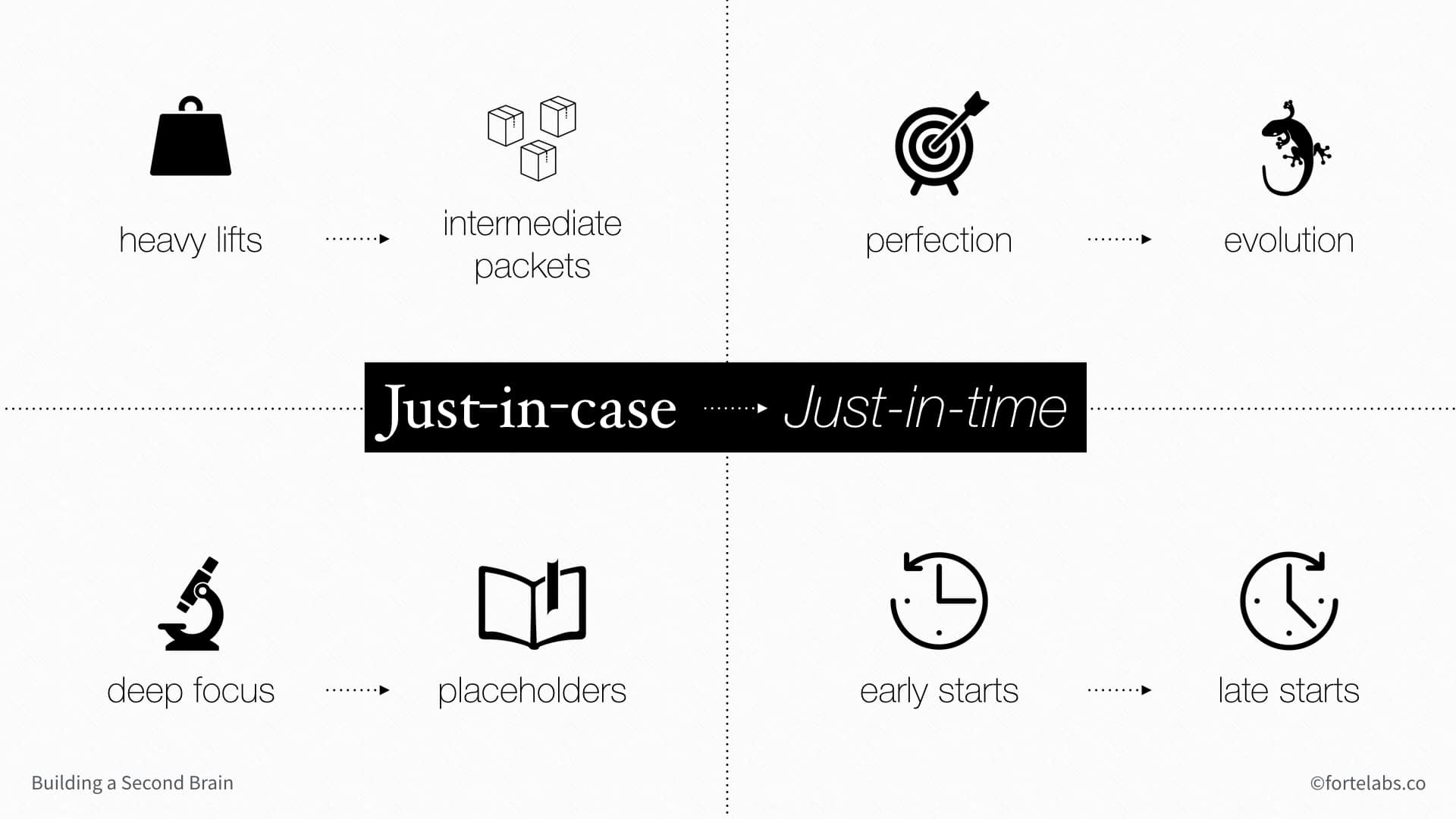
In Part 11, I introduced the concept of a “critical path” of tasks in a project, and the rationale for pushing tasks as late as possible on the timeline.

The late starts approach inspires a tremendous amount of resistance, especially from creative knowledge workers. It sounds an awful lot like taking control from individual employees, centralizing it in a central decision maker, and forcing people to finish everything at breakneck speed at the last minute.

Just-In-Time PM #10: Structure, Features, and Purpose

In Part 9, I explained why it is so important to create placeholders for your work-in-process: to allow you to pursue multiple projects across different spans of time without losing your progress.

What we are converging towards is a set of core principles for how Digital Knowledge Work is fundamentally different from previous kinds of work.

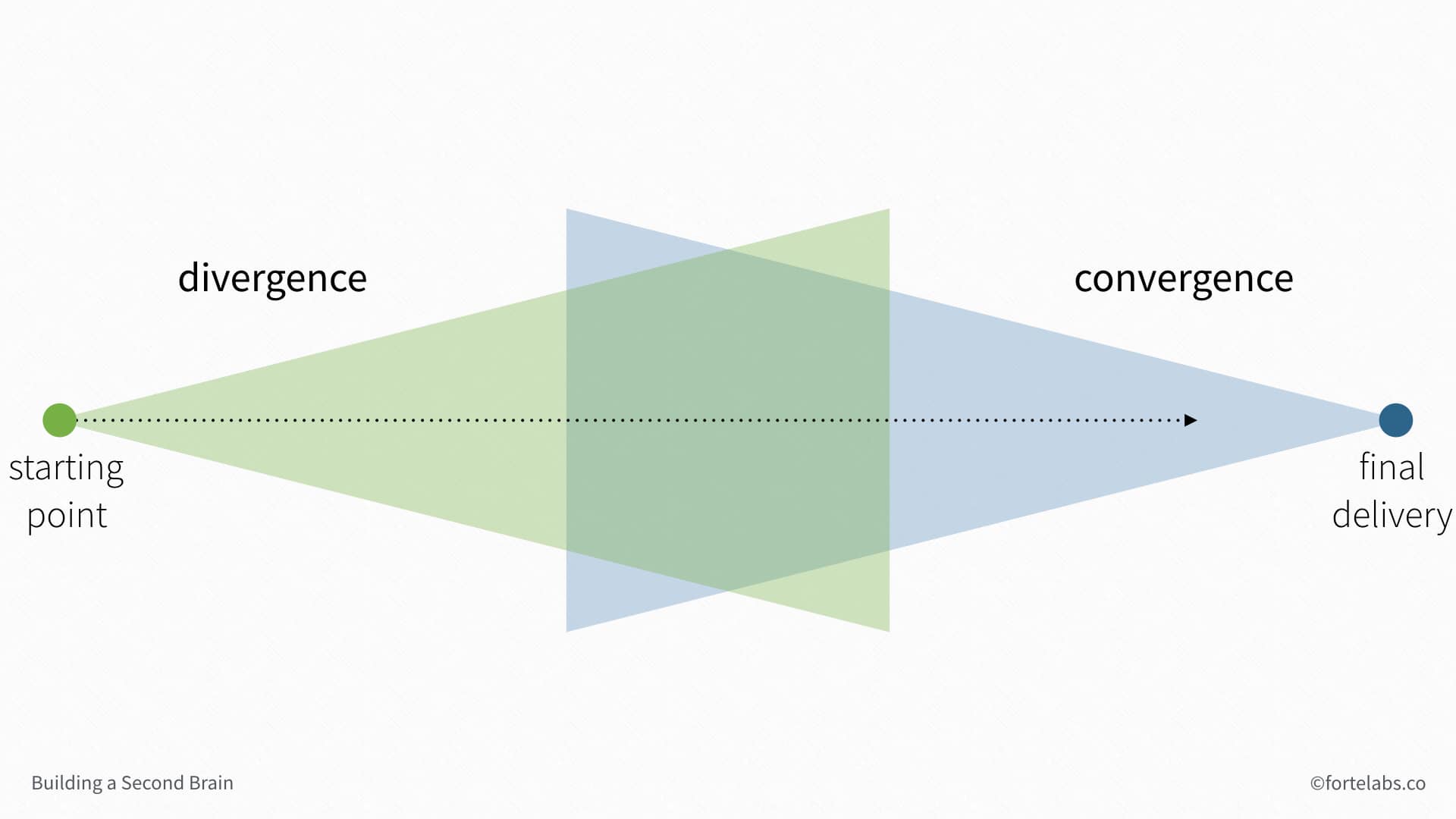
Just-In-Time PM #8: Divergence and Convergence

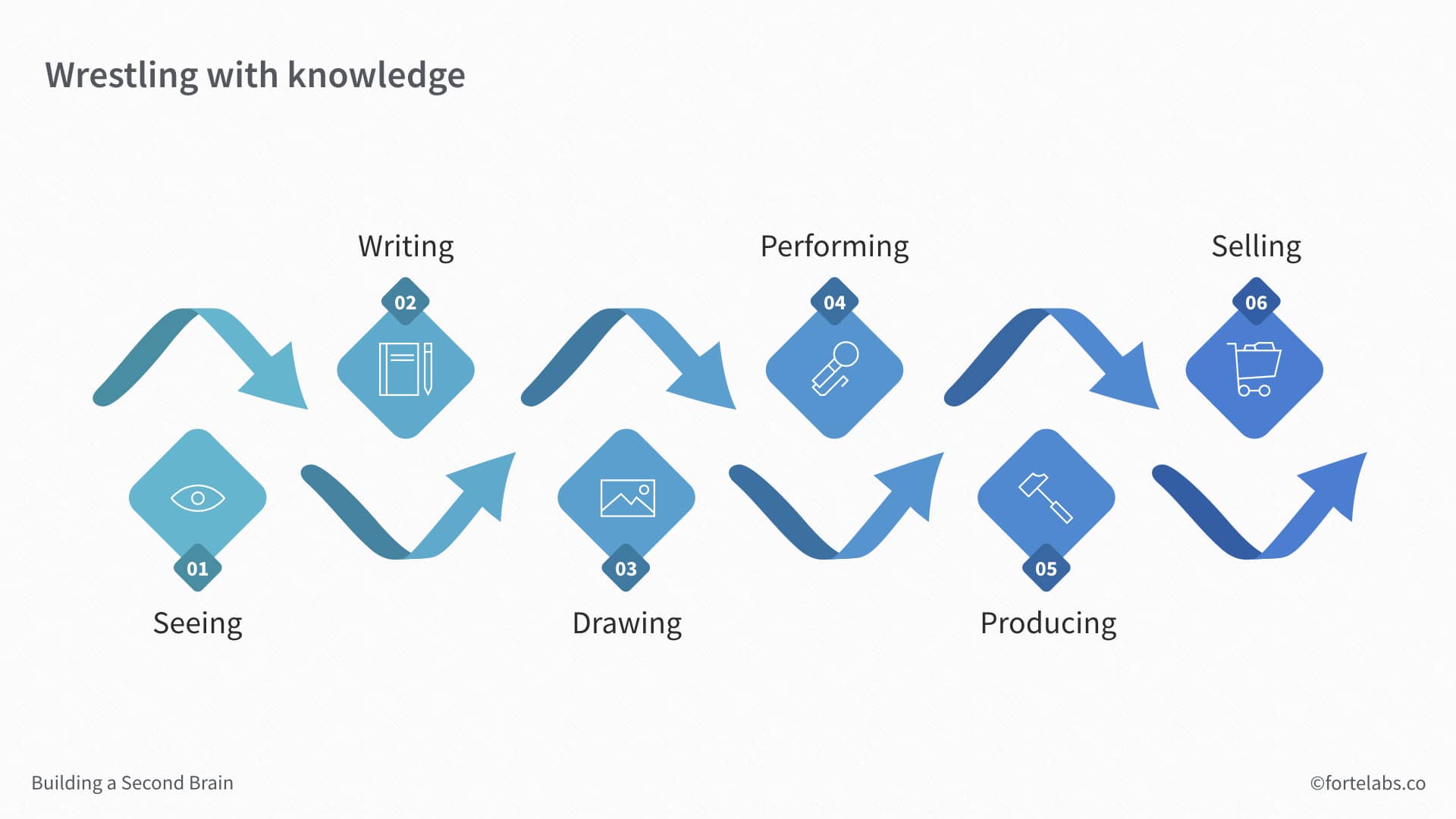
In Part 7, I argued for the importance of interacting with information, instead of just passively consuming it. Interaction results in better learning at the same time as it creates valuable deliverables.

But incorporating all these new ideas about how work is completed – flow cycles and intermediate packets, downscoping and evolving deliverables, interaction over consumption – can be a little overwhelming.

Just-In-Time PM #7: Interaction Over Consumption

In Part 6, I recommended treating any deliverable (whether it’s a simple email all the way to a full-fledged product) as a series of evolutionary artifacts, each one intended to test an assumption or make forward progress.

But there is a deeper reason for downscoping deliverables and then evolving them through a series of stages.

Just-In-Time PM #4: Intermediate Packets

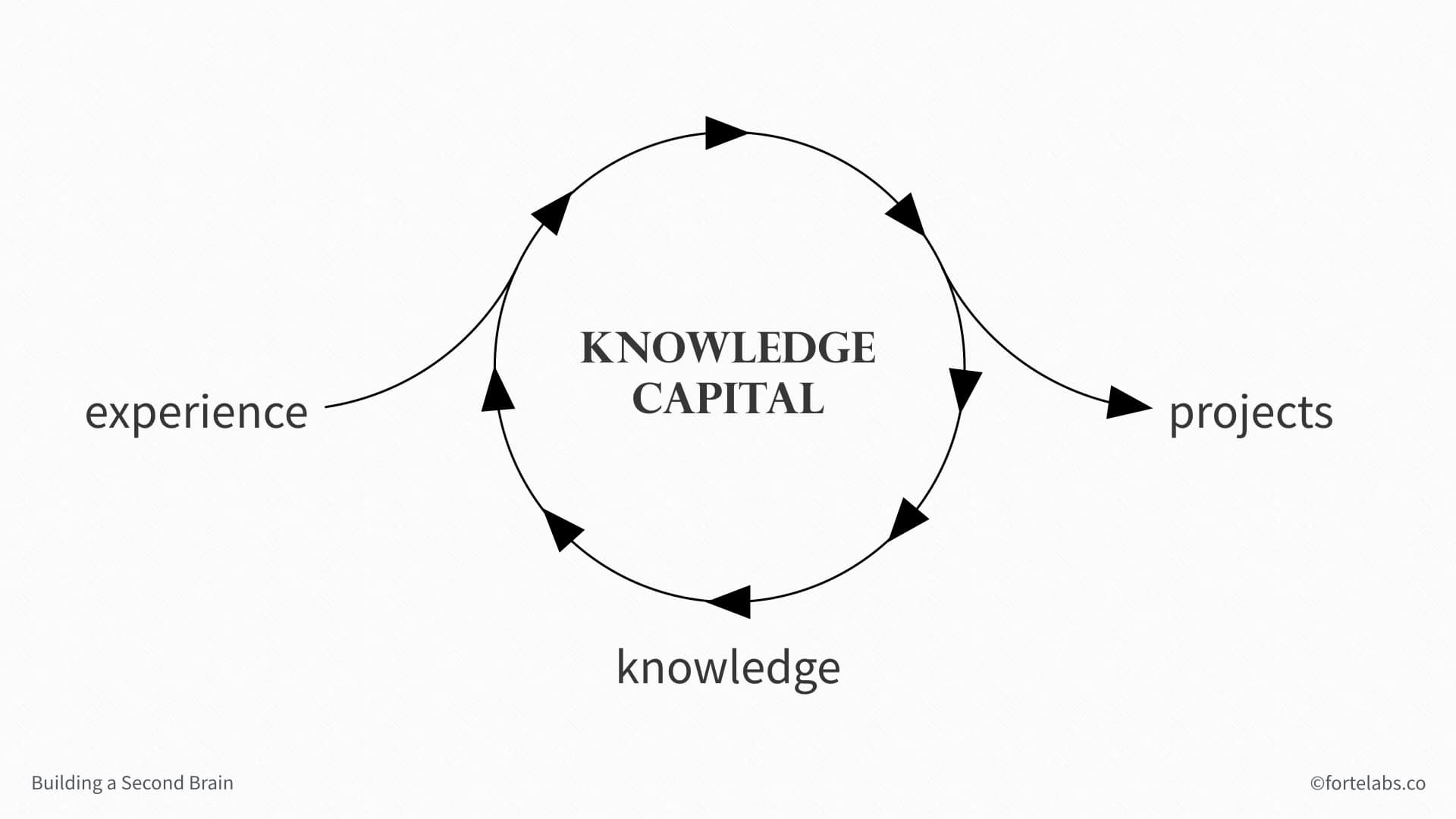
In Part 3, I argued that having a personal knowledge base is the linchpin of success in a creative economy.

A knowledge base allows you to reuse past work, draw from past experiences, share your knowledge in concrete form, and eventually, build products and services out of that knowledge.

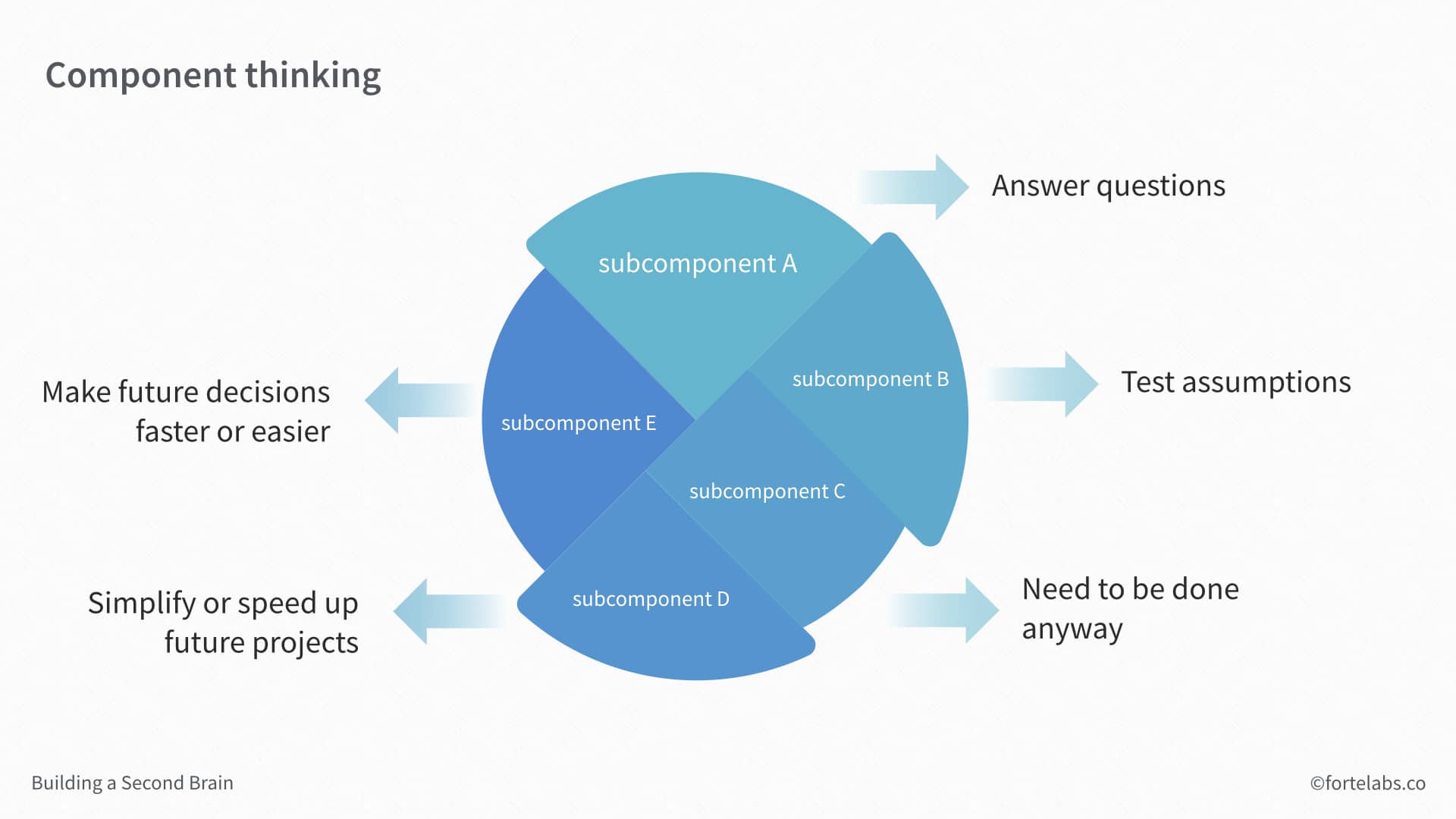
This requires strategically structuring your work in the first place, as a series of what I call intermediate packets.

Just-In-Time PM #3: Flow Cycles

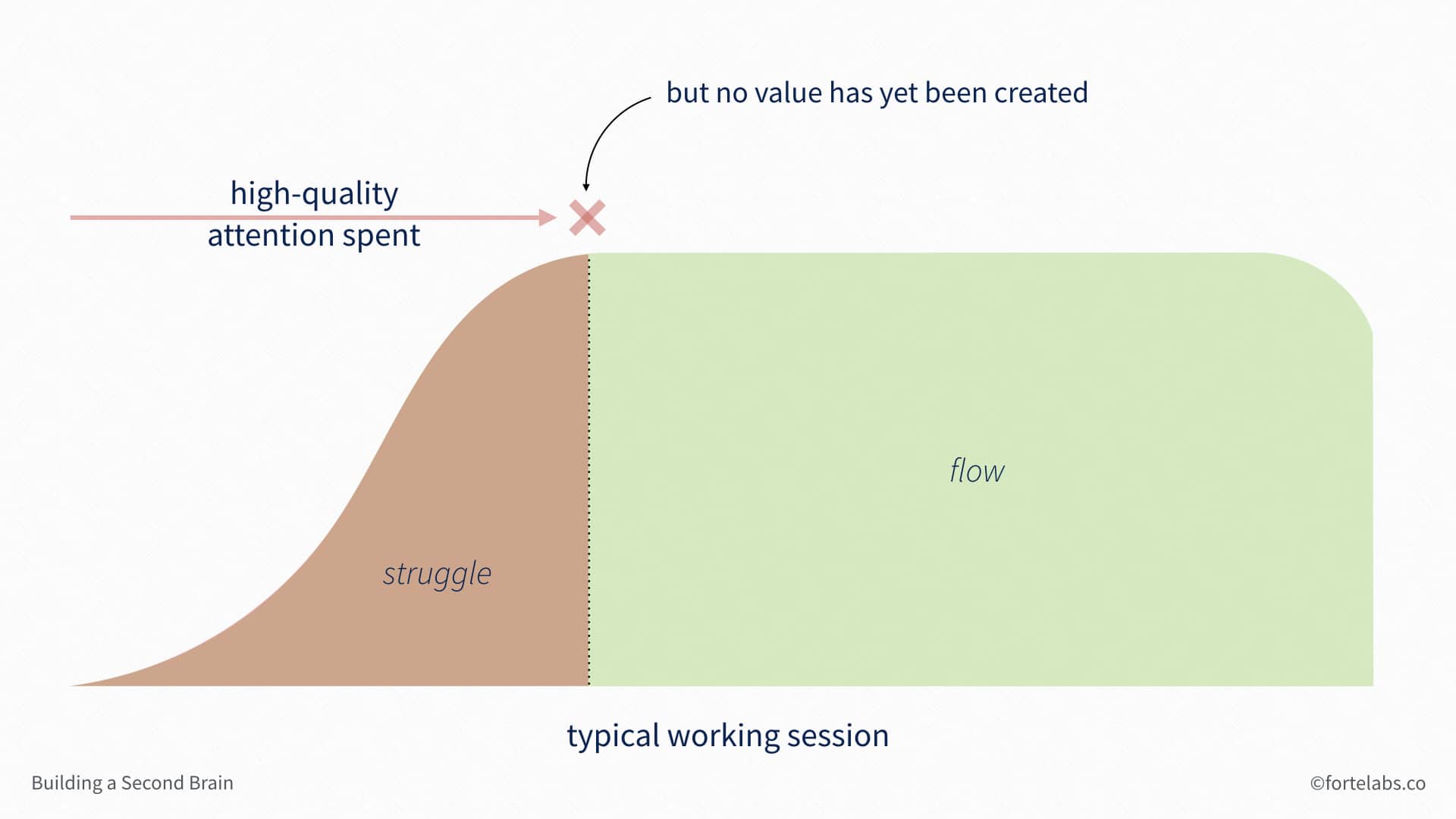
In Part 2, I described the sublime and powerful experience of flow, which could be considered the “holy grail” of productivity.

I argued that there is theoretically no minimum amount of time necessary to get into flow, contrary to popular belief. But in reality, as always, it’s a bit more complicated. Let’s look at what this looks like in a typical working session of a couple hours.