Second Brain Case Study: Progressive Summarization in the Intelligence Community

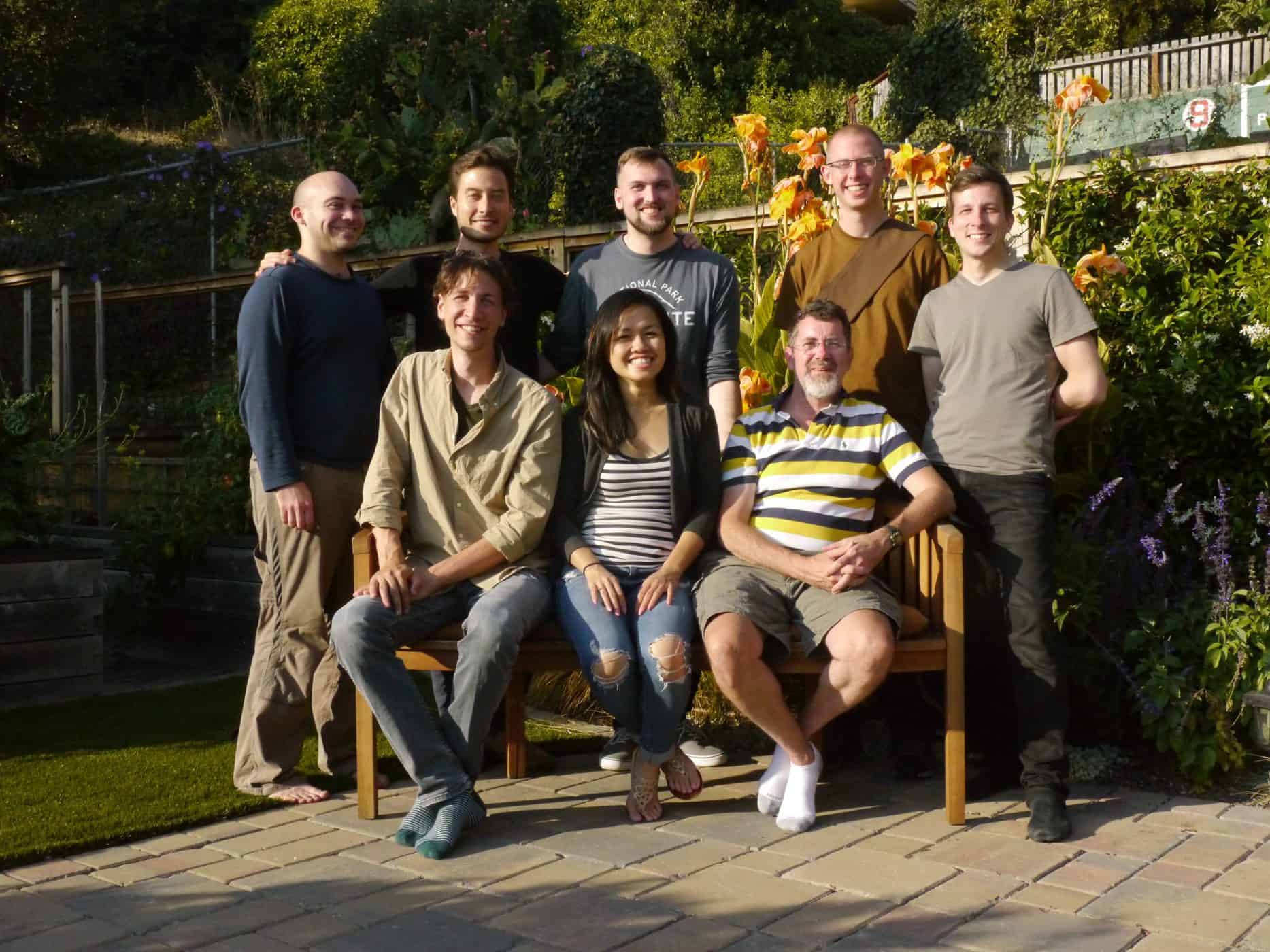
I recently sat down with Andrew Gorham for an interview and case study of progressive summarization, a method of summarizing notes in a form that is easily discoverable in the future. It is one of three techniques I teach in our online course Building a Second Brain. Andrew works for BMNT, an innovation consultancy that…

Progressive Summarization VI: Core Principles of Knowledge Capture

It might seem absurd that something as simple as a method of highlighting could be so important to a person’s productivity and learning. Even I’m surprised that’s turned out to be the case.

But as testimonials and stories have streamed in from people putting it to use around the world, I’ve become convinced that it is the beginning of a sea change in how we consume information.

Hostwriting with Michael Fogleman

I recently had a conversation and interview with Michael Fogleman, who offers a service called Hostwriting that takes writers step by step through the process of writing their book. Michael and his team offer coaching services, an online course, and an ebook production service, all centered around the idea that writing can be fun and…

A Conversation with Ryan McCarthy of the Global Kindness Initiative

For last week’s Praxis Town Hall, I invited Ryan McCarthy of the Global Kindness Initiative to join us for a conversation about the connection between productivity, knowledge management, individual performance and larger issues like organizational change, socio-emotional awareness, and effective communication. Ryan’s recent guest post Impact Cycles: Finding the Why Beyond the How provides a good…

One Taste of Orgasmic Meditation

Last Friday, my partner and I attended a one-day introductory workshop to orgasmic meditation (OM), as taught by a company called OneTaste. OneTaste has taken the self-development world by storm since being founded in 2011. Robert Kandell and Nicole Daedone (see her TEDx talk) set out to research and teach the practice, borrowing from Buddhist Tantra,…

The Digital Productivity Pyramid

Imagine if we had a learning curriculum for modern knowledge work. This curriculum would reliably produce elite performers, training them in the fundamental skills required to thrive in the digital age. It would impart concrete skills that could be generalized to any kind of knowledge work, not just one discipline or career path. In our…

Just-In-Time PM #20: Speed as a Capability

In Part 19, I argued that continuously finding new sources of motivation was the most important challenge for knowledge workers, and that the best way to get started was to generate momentum through a series of small wins.

Although Progressive Summarization can bootstrap you to a minimum level of motivation, at some point you do need to go from faking it to making it. The mind can be tricked, but not fooled for long.

Just-In-Time PM #19: Explosive Inspiration

In Part 18, I introduced the idea that our states of mind come and go in “waves of motivation,” and that we should try to use them to our advantage, instead of forcing our mind to conform to our will.

A “motivational state” is more colloquially known as a “mood.” Moods usually have a negative connotation when it comes to productivity. Feeling “moody” is generally not considered a desirable thing while working.

Just-In-Time PM #18: Motivational Waves

In Part 17, I argued that unique states of mind are the most powerful resource available to knowledge workers. But these states are difficult to reproduce on demand, and come and go unpredictably.

Our challenge becomes clear: how do we capture the value from a series of valuable, yet fleeting mental states?

Let’s take the following states of mind for example: