
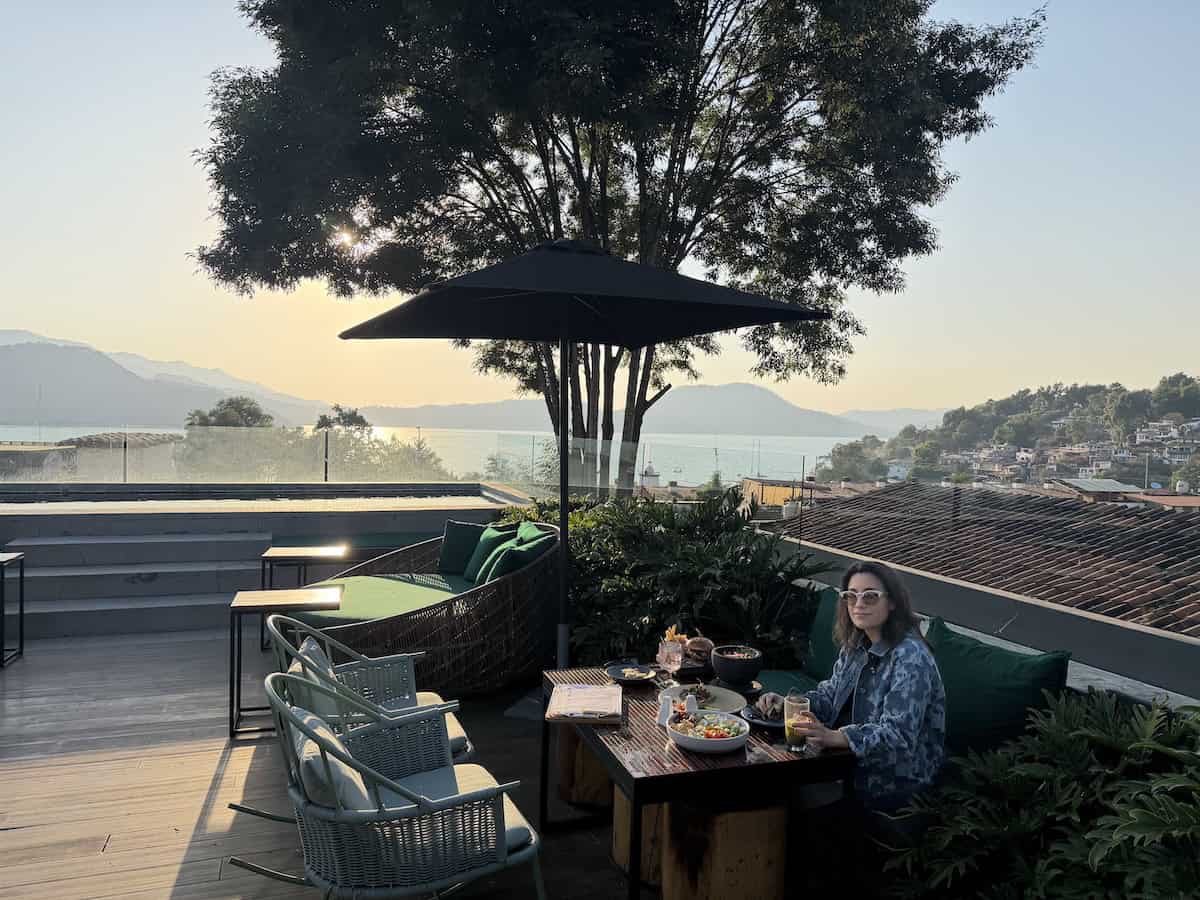
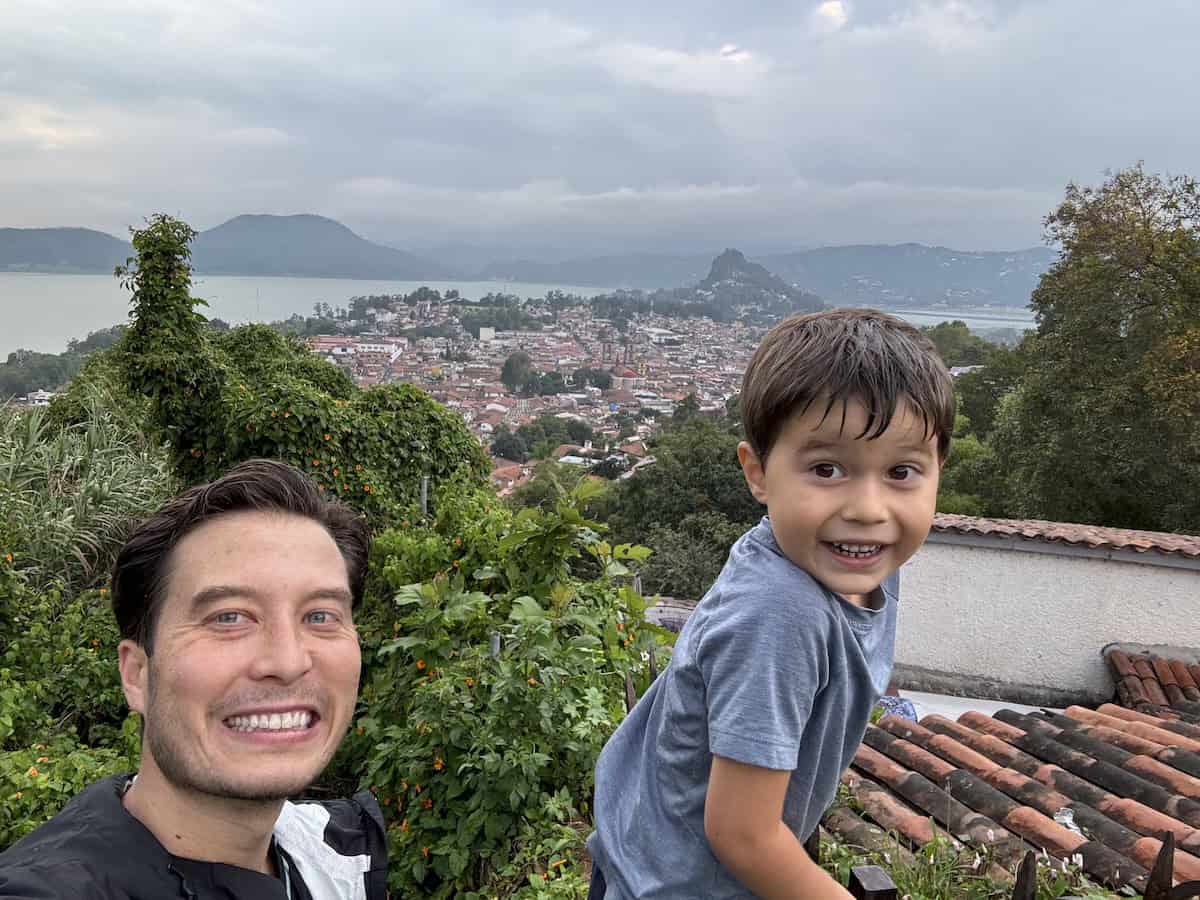
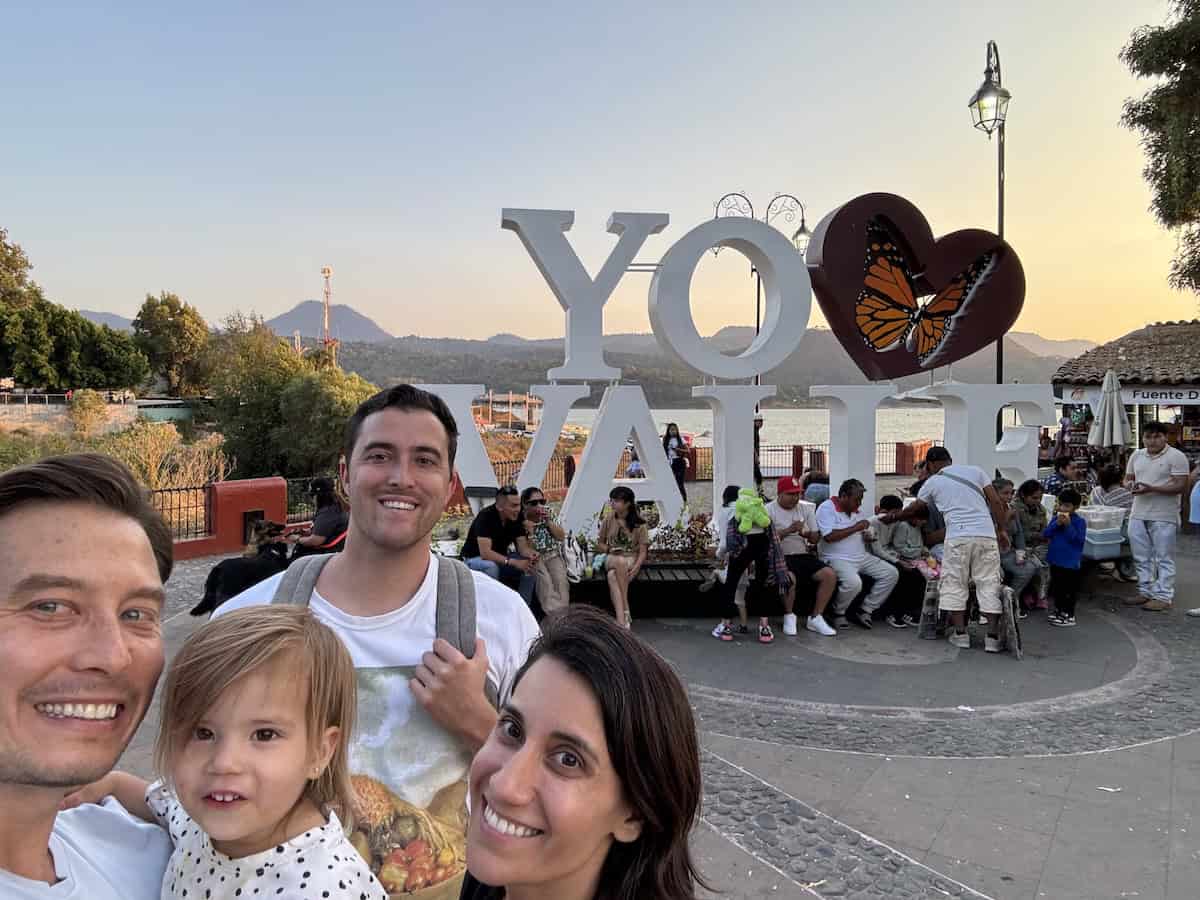
I’ve been living with my family in a Mexican mountain town called Valle de Bravo for almost two years now, and I’ve found it to be one of the most special, unique places I’ve ever spent any length of time.
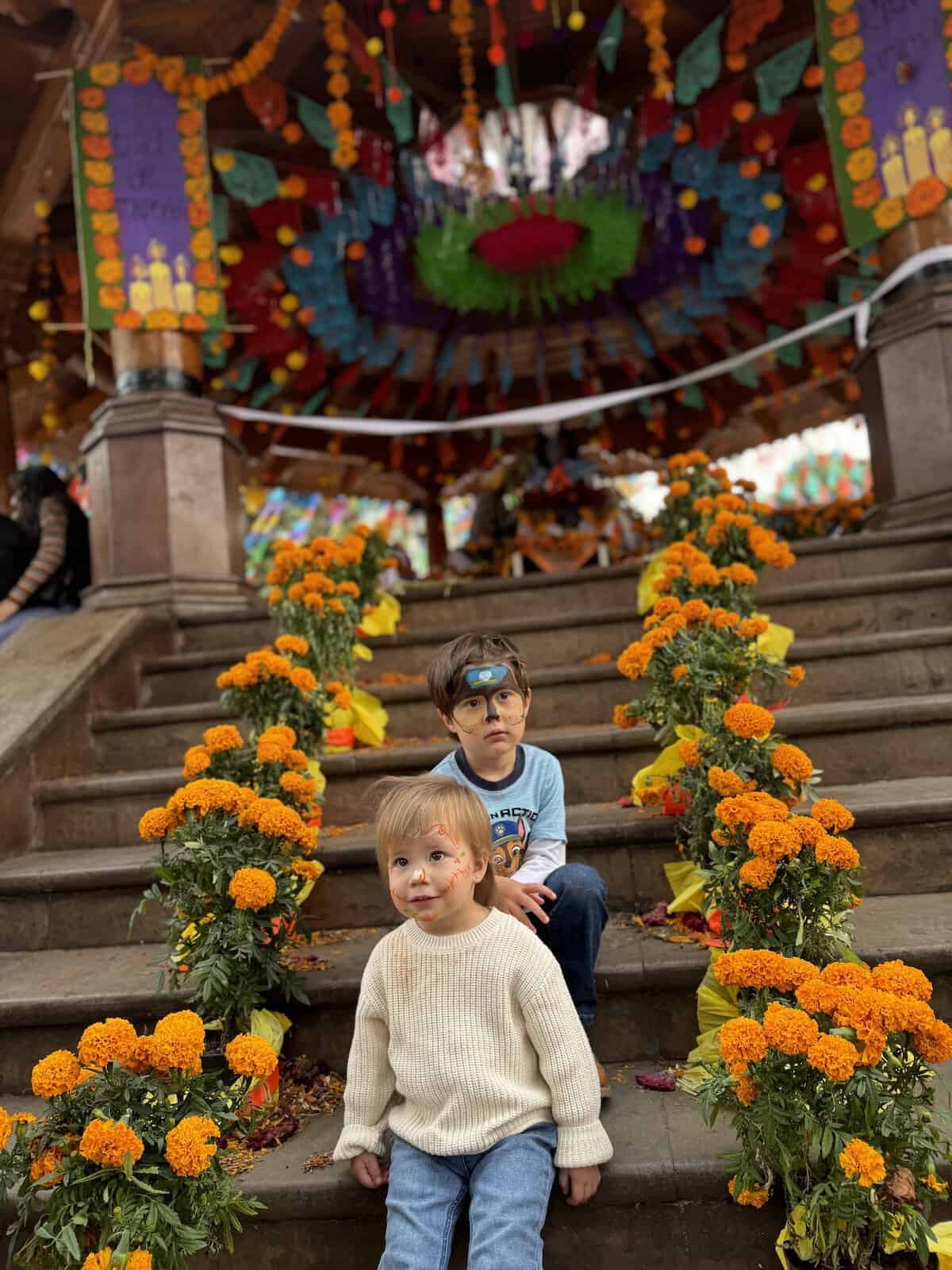
The natural environment, the culture, the people, and the perspectives it offers have taught me so much already – about what it means to live “the good life” amidst the manic demands of the modern world, about what Mexican culture has to offer a young family like ours, and most of all, how the place you live in shapes you more profoundly than almost any other force.
We left California in the summer of 2024 seeking the answer to a series of questions. Could we immerse ourselves and our children in Mexico, so they grow up speaking Spanish and feeling connected to their Mexican heritage? Could we do it for the long term, forming a strong community of friends and meeting all our needs for culture, travel, and work?
Much to our surprise, not only have we answered those questions in the affirmative (as I’ve written about previously), we’ve in fact found more than we asked for.
A few months ago, I began seeking an answer to a different question: How did this place come to be? There’s little information about Valle’s past available online, so I picked up a few books at the annual book fair in town. Through them, the history of Valle de Bravo began to unfold before me.
As I read and peeled back layer after layer in time, I discovered a remarkable story. A story so full of adventure, intrigue, serendipity, and unexpected transformation, it is a microcosm of the transformation that Mexico has experienced over the centuries at every level – from the individual to the family to the nation – all intersecting in this humble colonial town at the edge of a volcanic lake.
This is that story in brief – the tale of Valle de Bravo and how it came to be.
The Founding
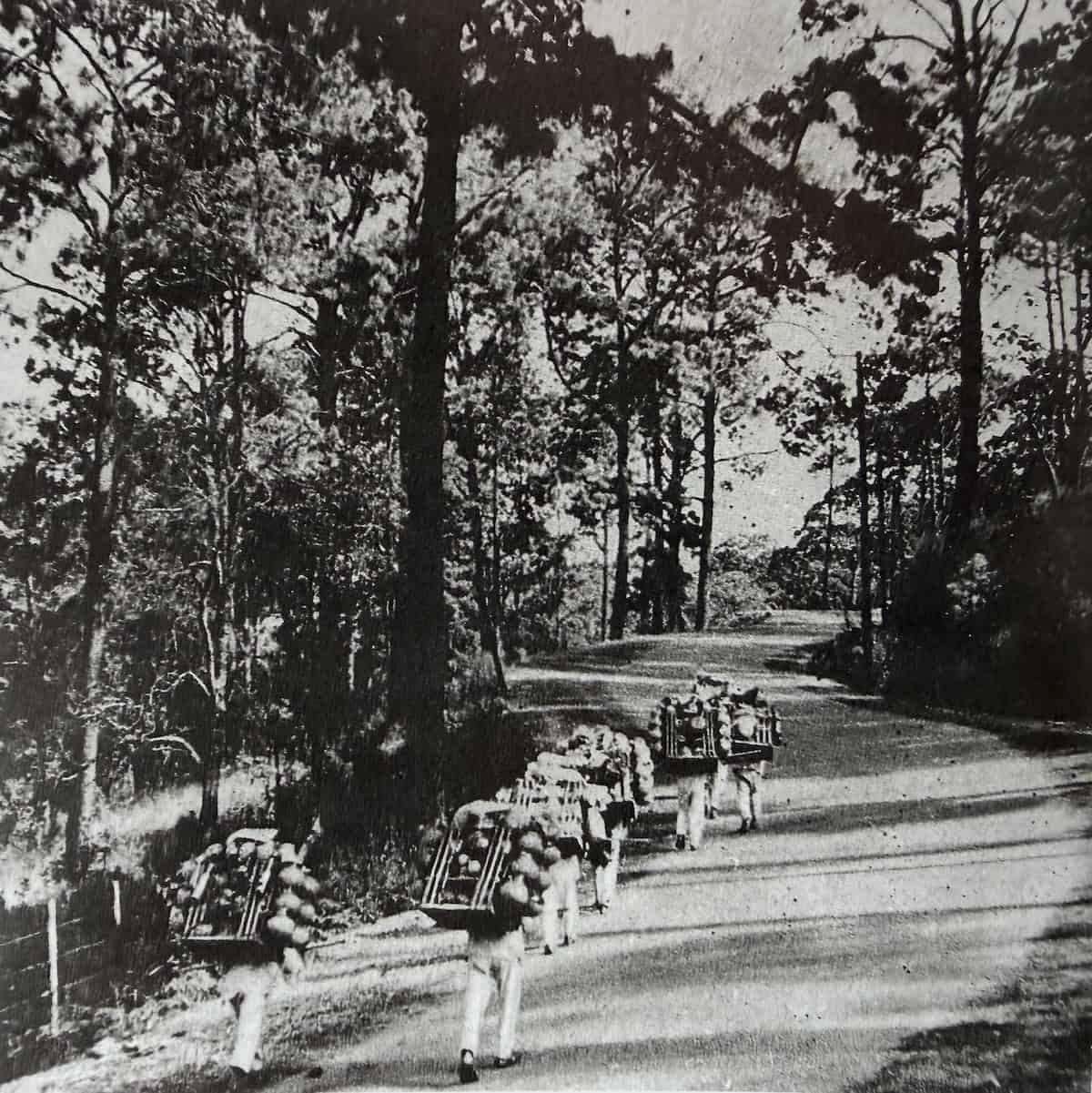
On the morning of August 30, 1530, a friar named Fray Gregorio Jiménez de la Cuenca set out from his monastery on a mission – to explore a wild, untamed mining region in the mountains of Central Mexico, and to found a Franciscan congregation there.
He and two fellow friars set out from Toluca, a small Spanish settlement on a high plateau west of Mexico City. Toluca was part of the personal estate of Hernán Cortes, the conquistador who had brought the Aztec Empire to heel only 9 years before.
As the friars passed through towns and hamlets on their way toward the rugged mountains, a number of curious onlookers and adventurers started to join them. A few days later, the band arrived in Zinacantepec, a settlement of Otomí natives.
Fray Gregorio used his command of their language and his medical knowledge to heal the cacique – the local leader – and thus gained his trust. The cacique offered him 20 Otomí warriors to accompany the friars on their journey and serve as their guides and protectors. They would need it.
Their destination was a vast valley known as Temascaltepec, which means “Hill of the baths or temazcales.” A temazcal is a traditional Mesoamerican sweat lodge, a cousin of the same tradition found throughout North America. In pursuit of their goal, the travelers had to traverse the rugged wilderness at the edge of the central Mexican plateau, just as it begins dropping down toward the coastal lowlands.
The oldest known settlement in the area was an ancient hamlet of the Purépecha people. They called it “Avándaro,” or “Place of daydreams.”
The Purépecha empire was based in what is today the state of Michoacán, far to the northwest, indicating that this was likely a frontier region and a crossroads between cultures, an identity it retains to this day. The Purépecha were the only major people in Central Mexico that the Aztecs tried and failed to conquer, delivering the worst defeat in Aztec imperial history using their superior copper weaponry. That rebellious and independent streak is still part of the region’s identity as well.
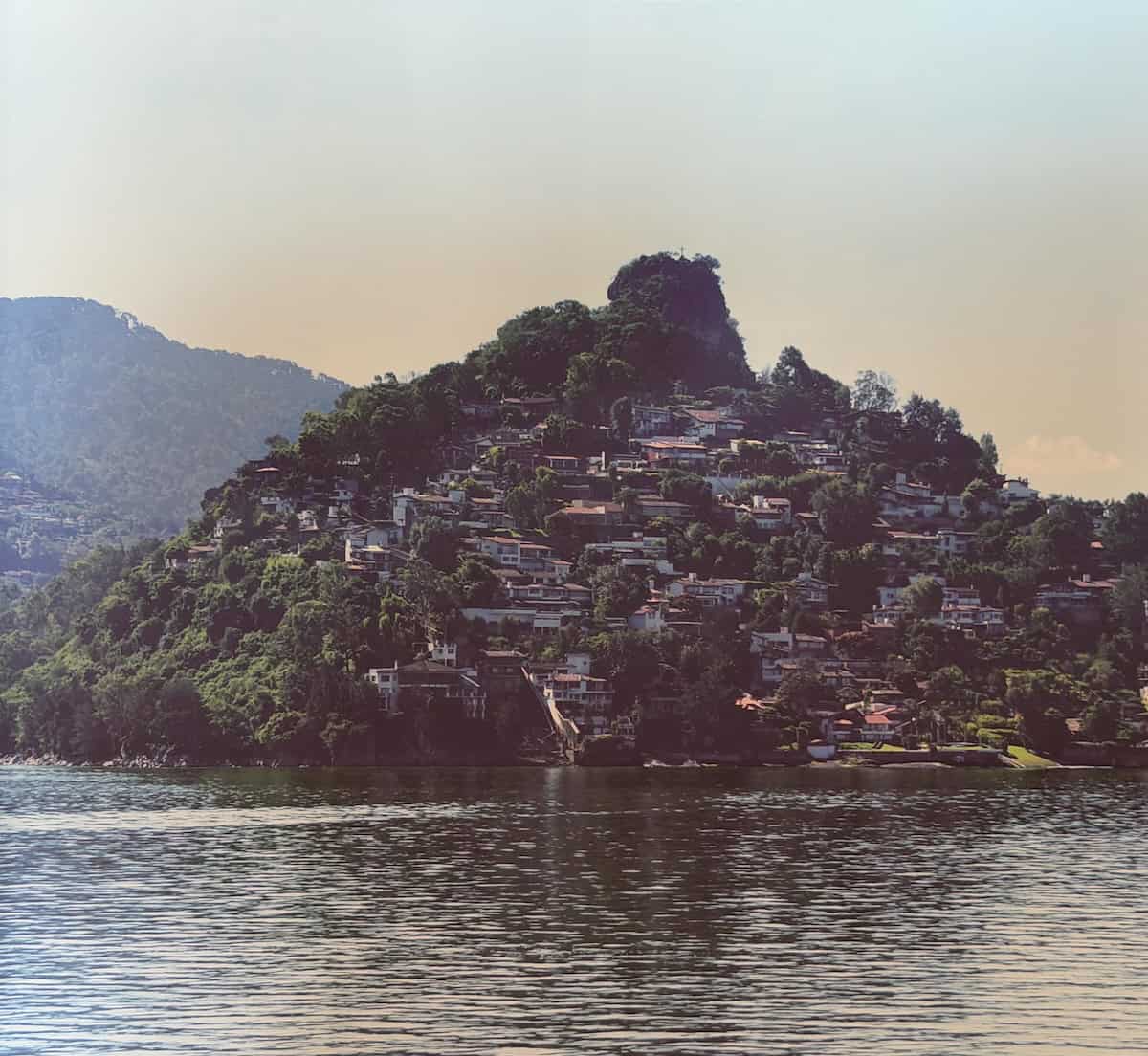
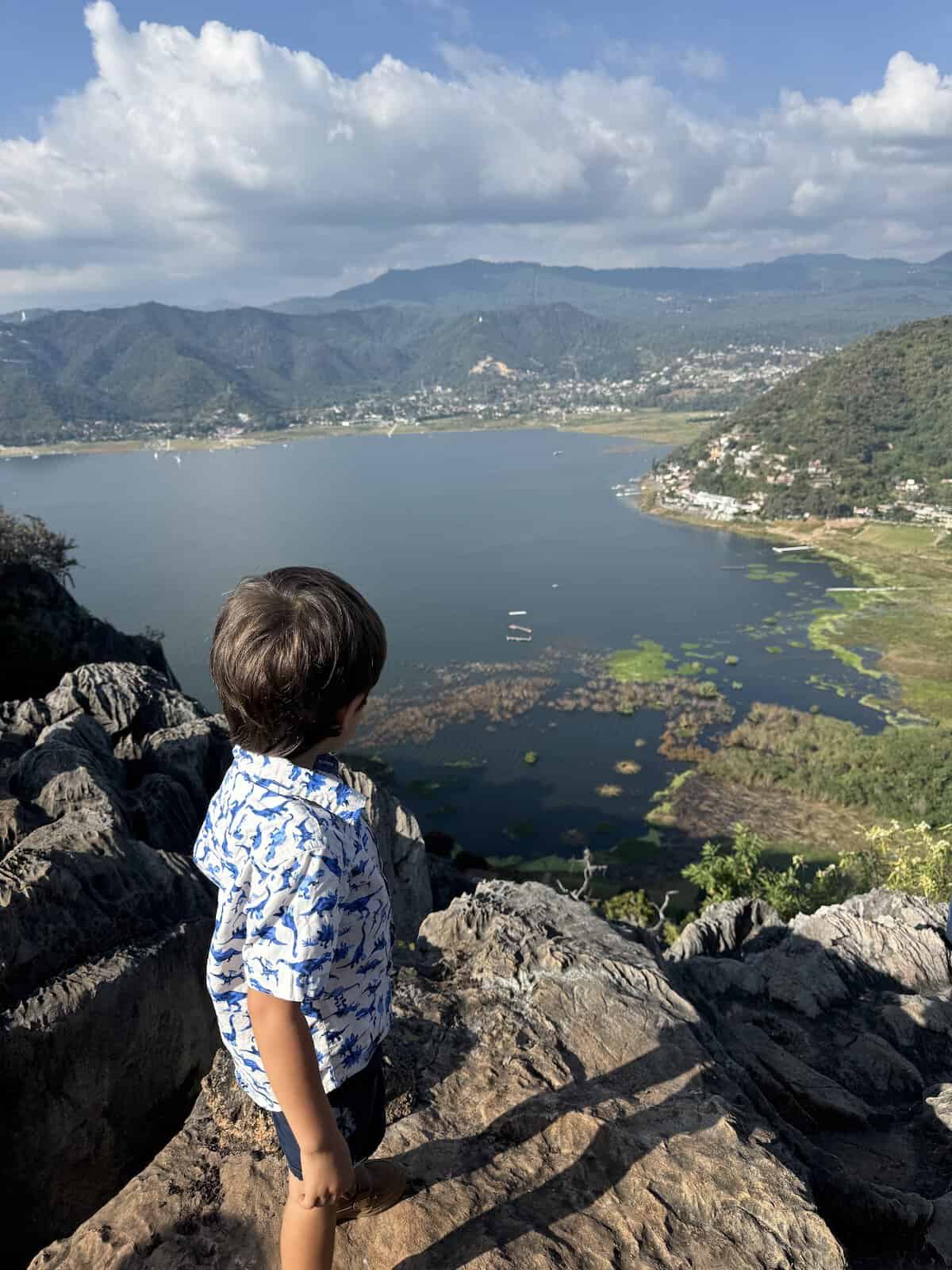
The Temascaltepec valley was distinctive because at its center rose a jagged stone monolith, today called “La Peña.” The indigenous Mazahuas who inhabited the valley were rumored to use it as a lookout for encroaching Aztec war parties in the years before Hispanic rule. In the 1930s, locals in the area found “four enormous serpent heads carved in extremely hard stone, several Aztec ritual implements, countless ceramic figures, and… four triangular ingots of refined gold.” These could have been the remains of a temple dedicated to Quetzalcóatl, the supreme deity of the Aztec religion, or Temazcalteci, goddess of the baths.
The friars were spellbound by the towering rock as they finally entered the valley. To their astonishment, the peaceful silence was suddenly pierced by a menacing sound emanating from the forests surrounding them on all sides. It was the teponaztli, the warlike cries of the Mazahuas. The Otomí warriors accompanying the party prepared for battle, as the Mazahuas were their ancestral enemies.
That battle soon broke out. Arrows and stones rained down on all sides. One of the Franciscans fell, gravely wounded in the head. Others fled. Fray Gregorio, shouting at the top of his lungs, called to the Mazahuas in a gesture of peace. He offered his knowledge and an offer to forge bonds of friendship. But it was futile, and the fighting raged on.
In a final desperate attempt, the friar raised his arms in the shape of a cross and pushed through the enemy ranks, lowering them in a clear gesture of surrender. Incredibly, his gambit worked, the fighting subsided, and he was eventually even granted permission to found a congregation and complete his mission.
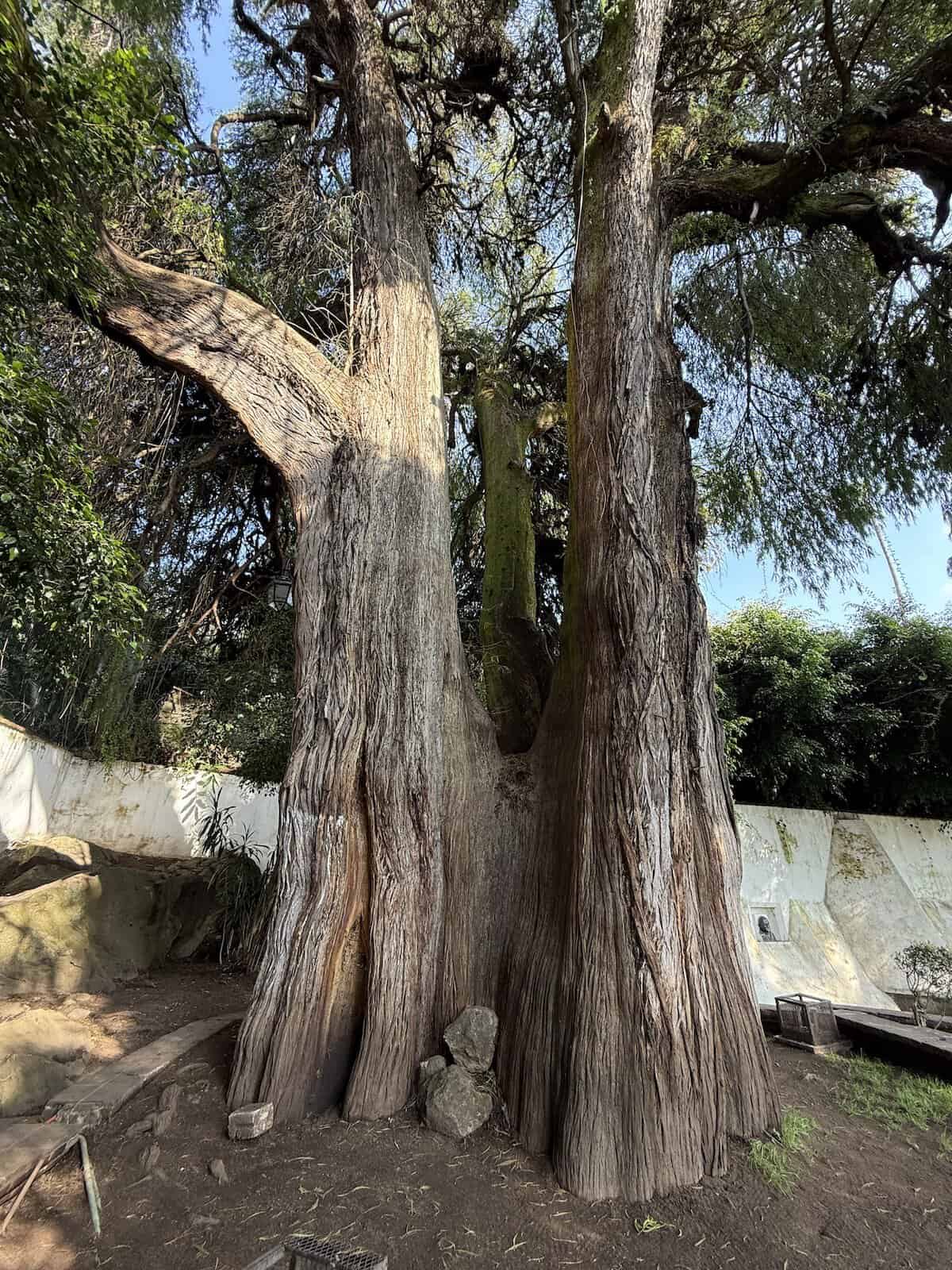
On November 15, 1530, the friar conducted the first Catholic mass in the valley, at a place called El Pino. The spot is marked to this day by a gigantic, ancient ash tree at the entrance to town.
A month later, on December 15, three and a half months after his journey began, Fray Gregorio founded San Francisco del Valle de Temascaltepec, known today as Valle de Bravo.
That was 496 years – almost half a millennium– before you are reading these words. Only 38 years after Columbus’ historic sailing for the Americas. Before Shakespeare or Galileo had been born. Before the telescope, the microscope, the pendulum clock, or the newspaper had been invented in Europe.
The King James Bible was 81 years away. The Mayflower was 90 years away. There were no permanent European settlements anywhere in what is now the United States. Mexico wouldn’t be founded as a republic for another 294 years.
This was where the modern history of Valle began.
Note: You can find the sources for this history at the end of the piece.
Modern Valle
Fast forwarding to the present day for a moment, let’s visit the Valle de Bravo of today.
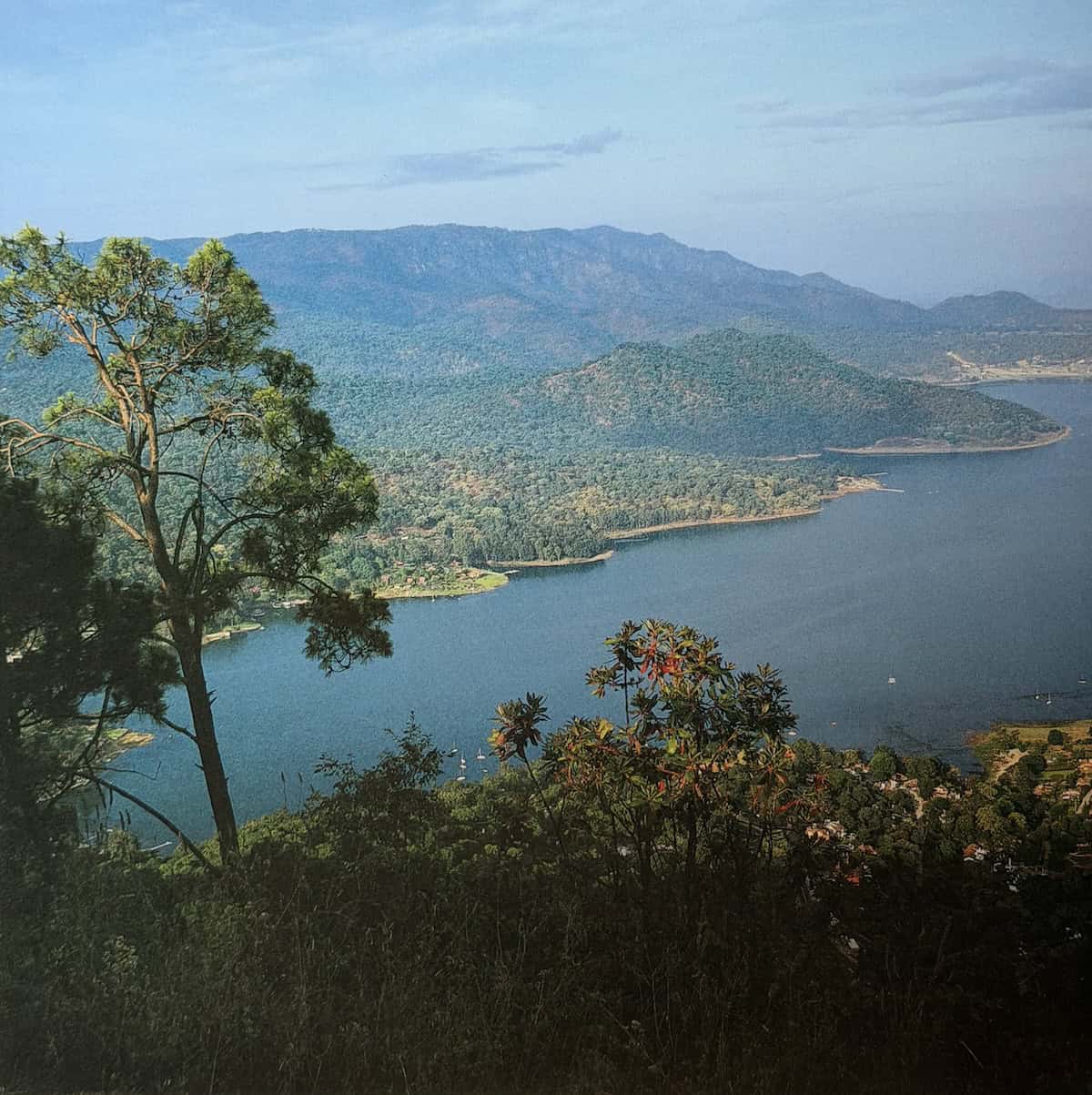
At its heart is the original pueblo on the shores of Lake Avándaro, formed by a major dam constructed in the 1940s. But when we speak of “Valle,” we are really including around 20 surrounding towns and neighborhoods that form an integral whole. The largest of those communities are Avándaro, a nearby upscale suburb, and Acatitlán, a newly developed rural area along the highway to Mexico City.
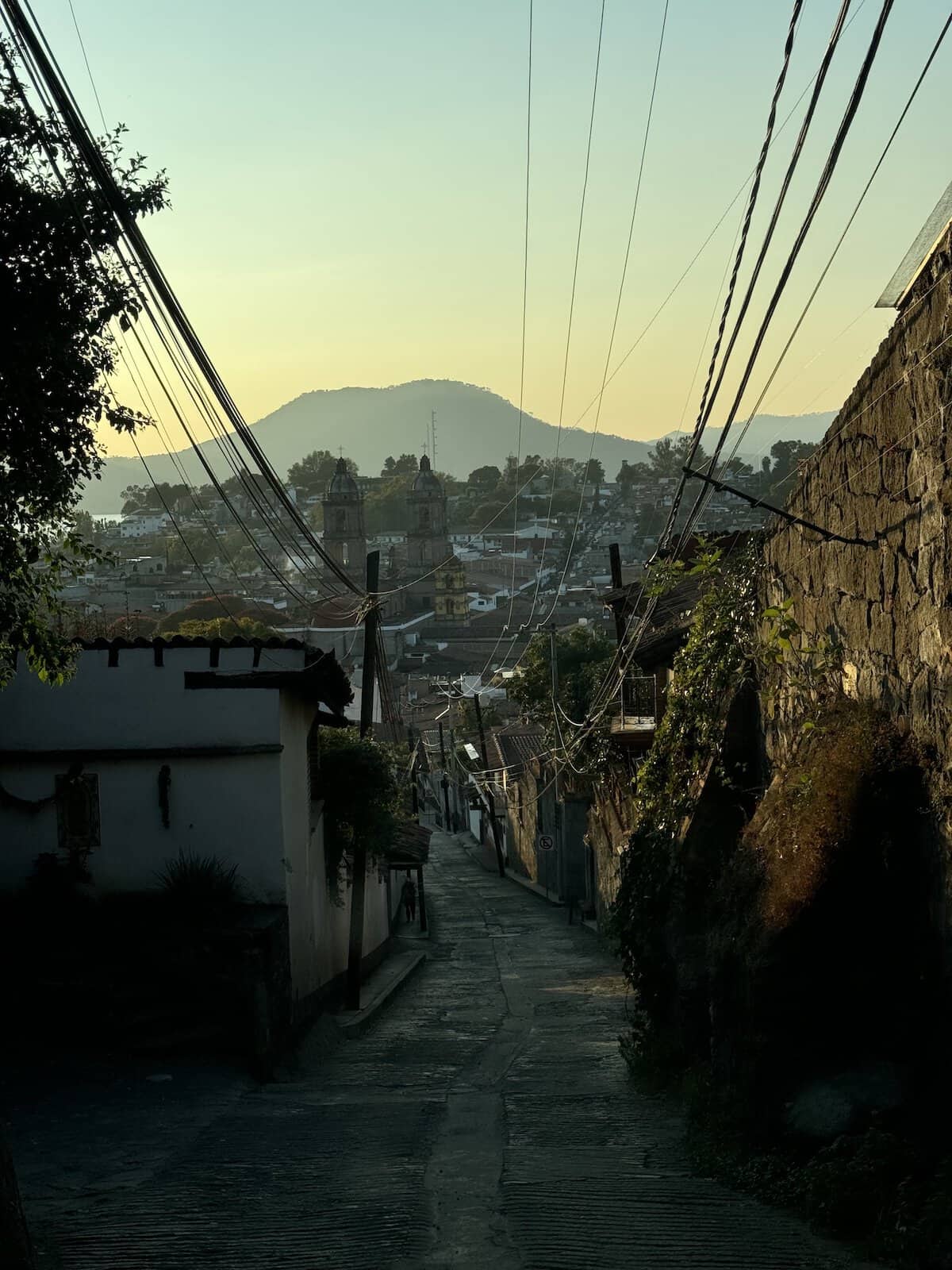
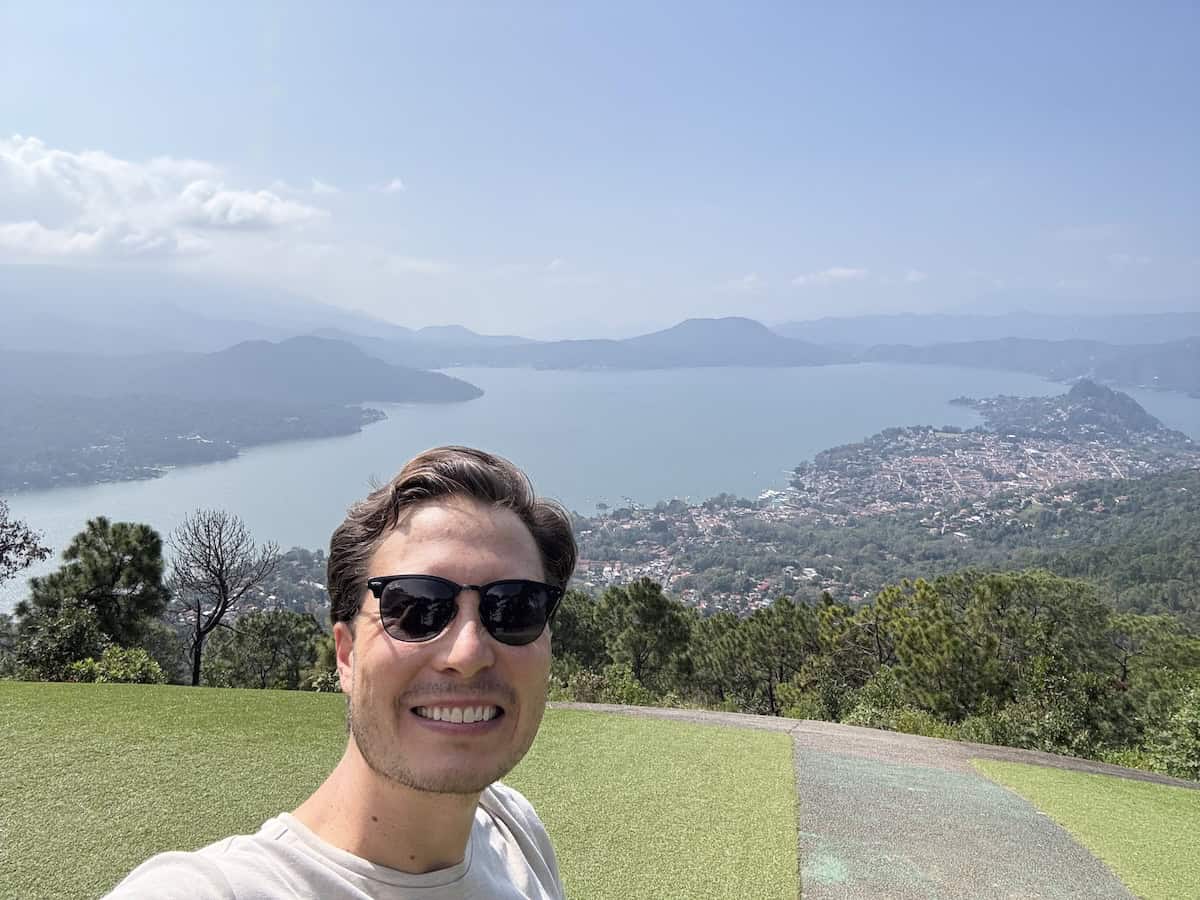

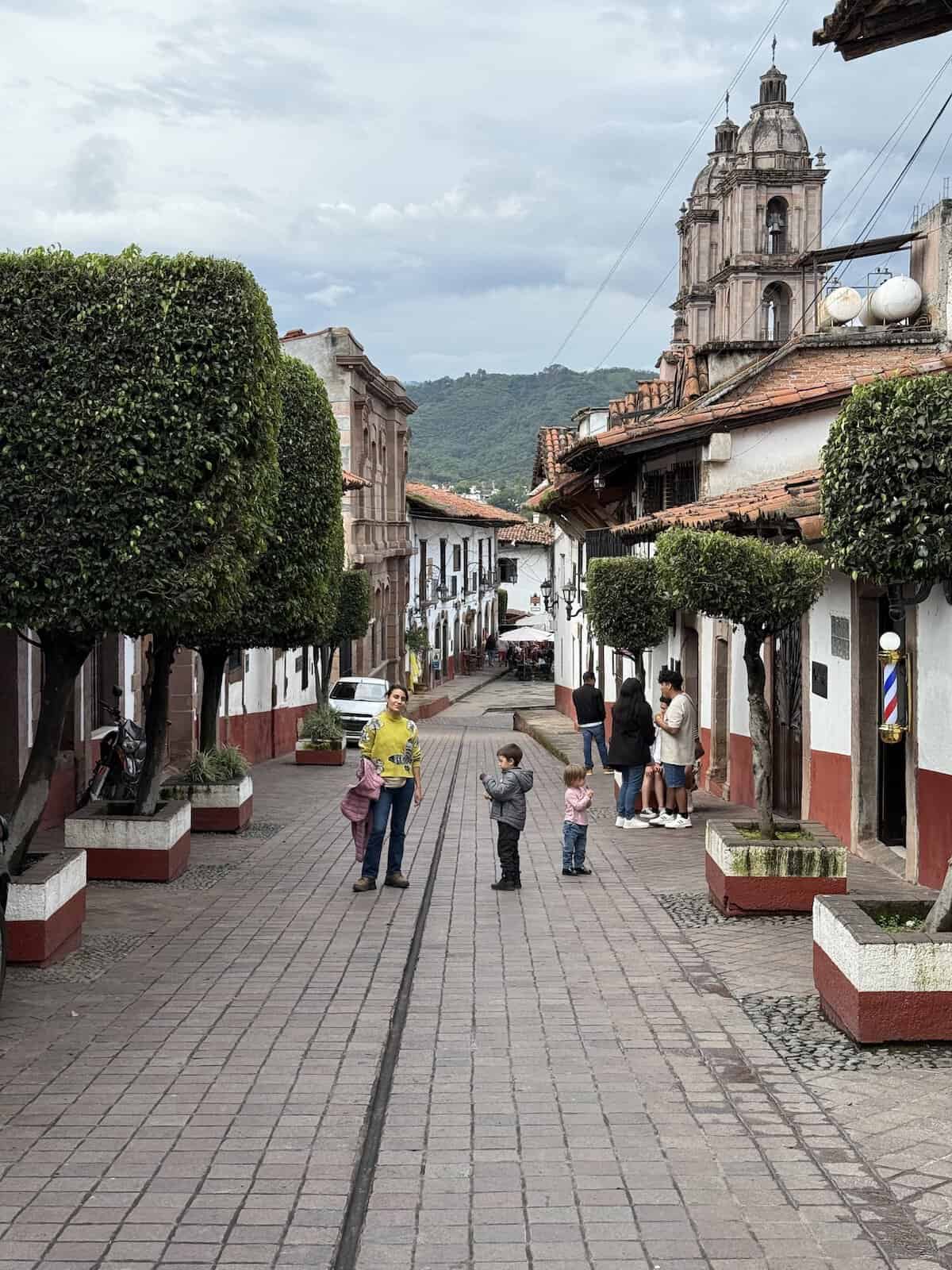
Valle sits at 1,800 meters of elevation, or 5,900 feet, about equivalent to Colorado Springs. In terms of temperature, it has a subtropical highland climate – a perpetual spring with a wet summer and dry winter, similar to the highlands of Hawaii. On the U.S. mainland, its weather profile is closest to Santa Barbara in California. It’s a transition zone ecologically, with evergreen pines mixing with subtropical ferns and flowers in surprising and diverse profusions.
Valle is known primarily as a vacation town. Every weekend, and especially long weekends, the town is flooded by “chilangos” – a nickname for people from Mexico City. For that same reason, it’s known as a playground for the rich, who spend their time playing golf, sailing out of yacht clubs, and living in luxury in some of Mexico’s most impressive homes. The neighborhood around La Peña is rumored to be among the most expensive real estate in all of Mexico, serving as a second home for many politicians and celebrities from the capital.
But there is much more to this “pueblo mágico” than meets the eye. Despite its small size, it has had outsize influence as the site of several key moments in the formation of the Mexican identity.
The colony
As the centuries of colonialism passed, Valle evolved through a series of economic eras.
Mining never took root due to a lack of investment, but agriculture and livestock were mainstays, blessed by abundant water and a mild climate.
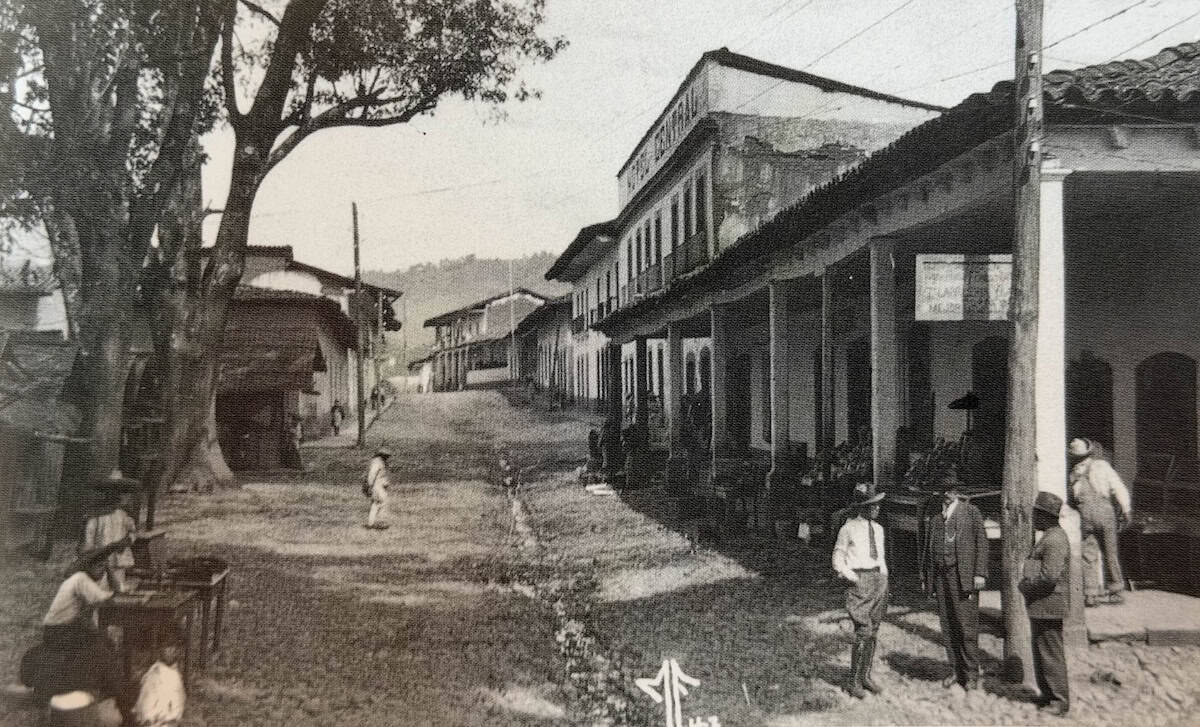
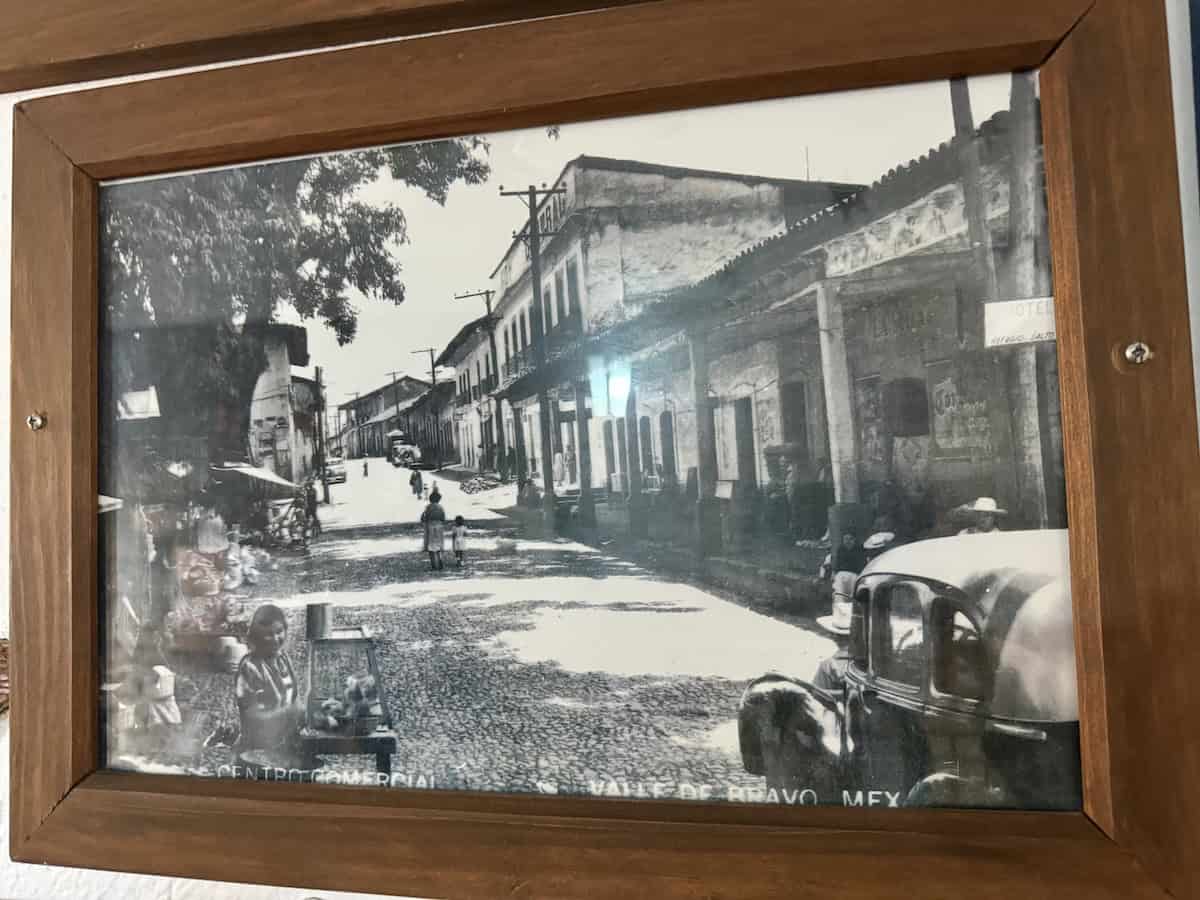
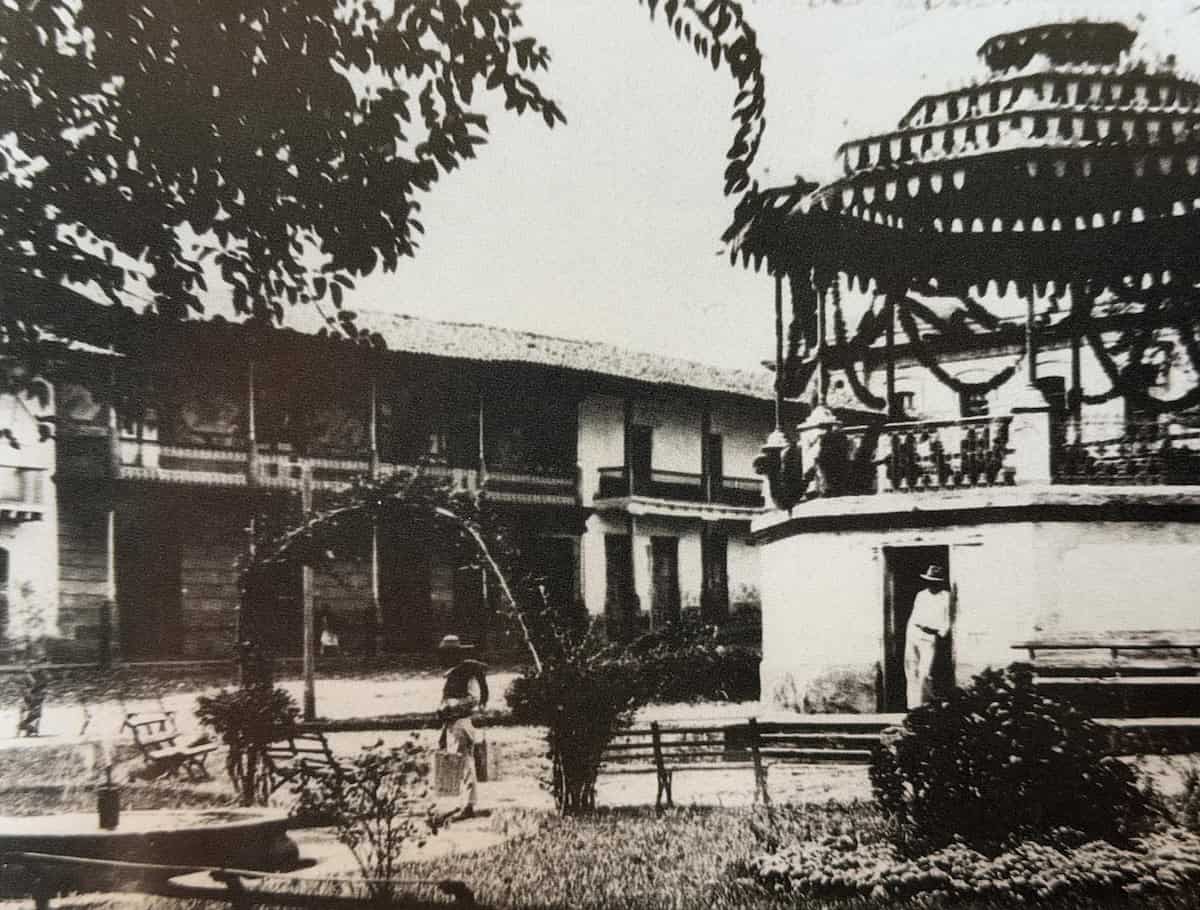
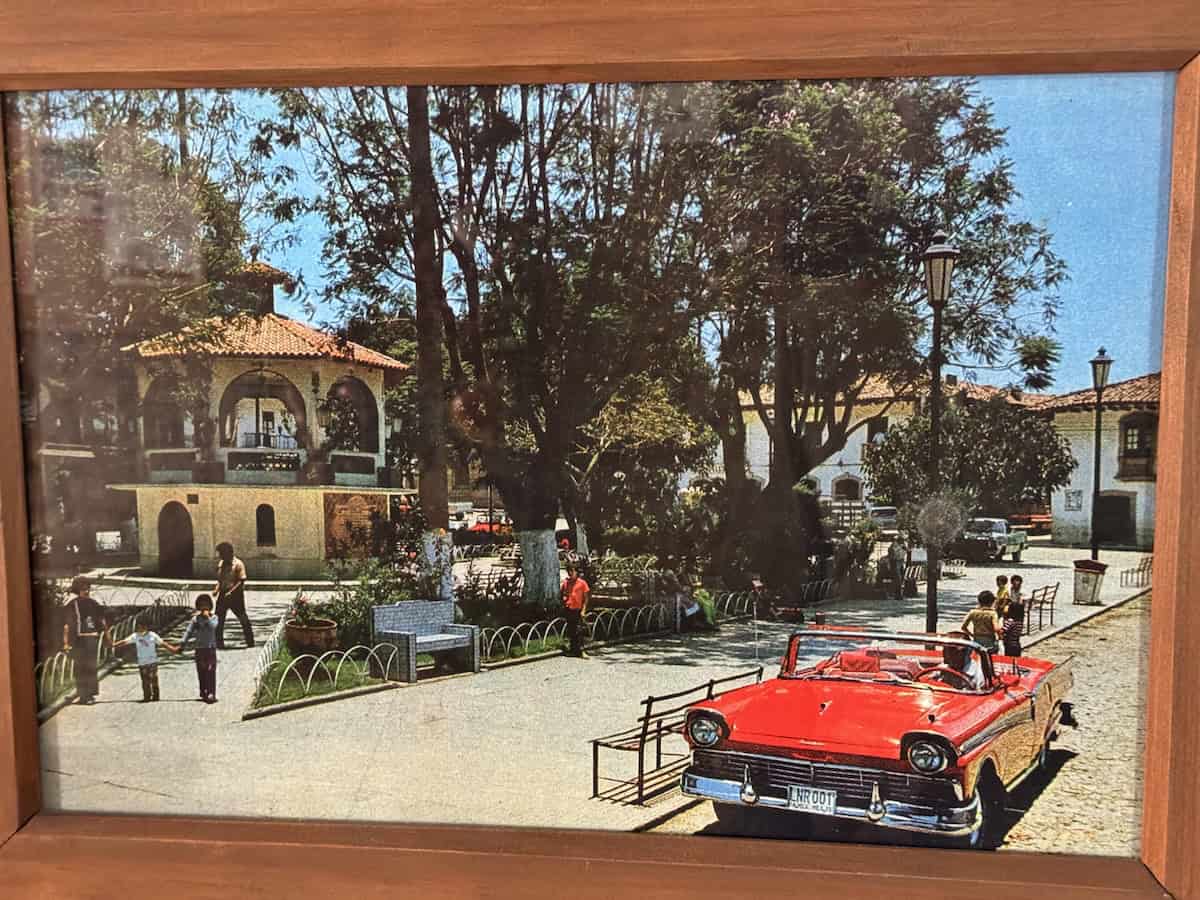
The region was known at various times for producing fine rebozos (a traditional Mexican shawl), and crops like wheat, sugarcane, maize, banana, mango, orange, lime, guava, and tobacco (from which they made fine cigars). The local haciendas raised pigs and cattle, and built water channels for crop irrigation, mills, and sugar presses. There was some minor manufacturing, such as the El Salto ironworks, famous for the quality of its stoves, grills, drain traps, benches, and columns throughout the state.
Valle was eventually renamed after Nicolás Bravo, the Mexican general who led the defense of the castle on Chapultepec hill against the U.S. Army forces that invaded Mexico City in 1847. He went on to serve three separate stints as interim president of Mexico in the 1840s.

In 1878, the town gained running, potable water. The municipal president, Nicomedes Mancilla, installed the fountains, iron benches, gardens, and ash trees that gave the town its trademark central plaza. By the turn of the 20th century, the town had become a city, with its own electric plant, telegraph office, and theater.

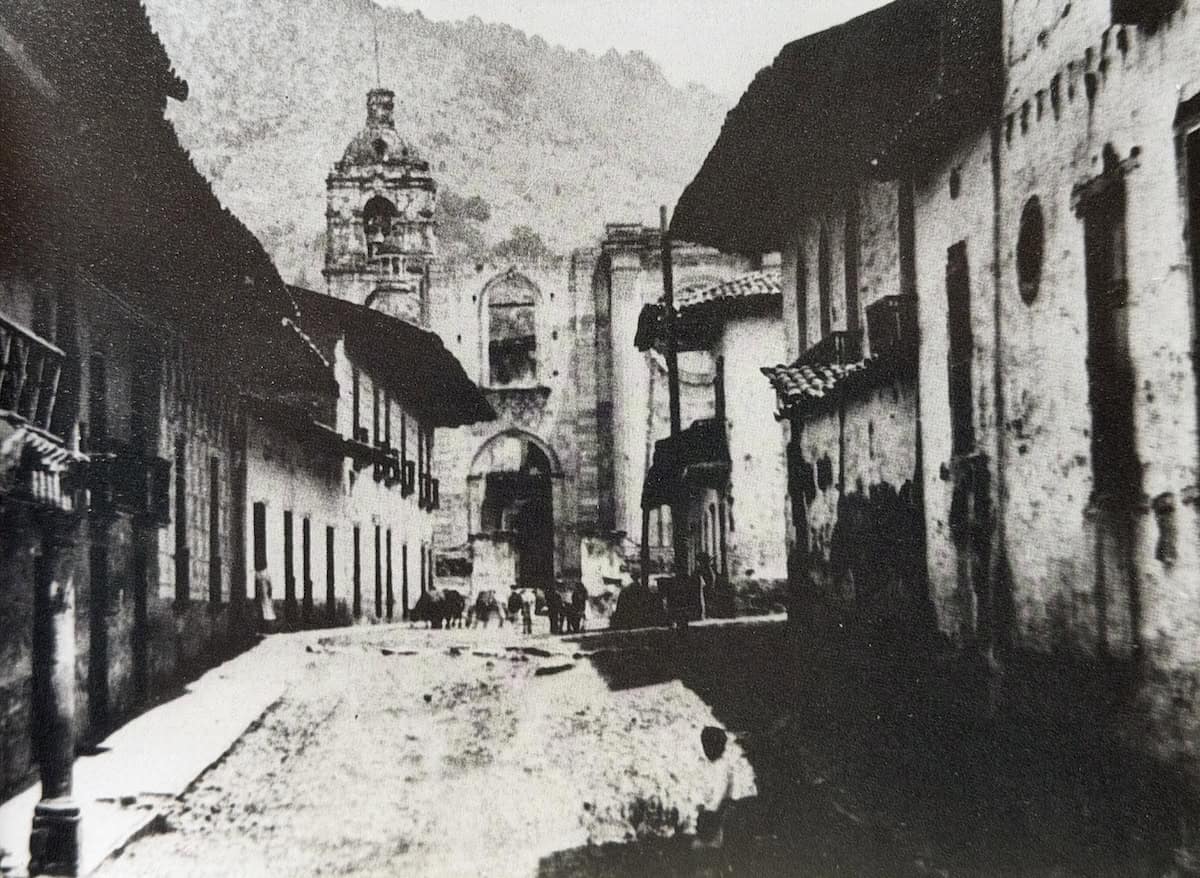
Much of the intervening history of Valle de Bravo is lost to us, a victim of accidental fires, incomplete record keeping, and the passage of time. Our story picks up again in the modern era, as the town burst onto the national stage in a radically different context – the construction of a dam that would turn the verdant valley into a lake.
The Dam
Not far from Valle, the Ixtapantongo power plant began construction in 1938. For the first few decades, its main purpose was to generate hydroelectricity for the growing region.
But starting in 1982, the dam would be expanded to take on a new purpose: supplying water to the thirsty masses of Mexico City. It became the centerpiece of one of the largest inter-basin water transfer projects in the world – the Sistema Cutzamala.
The system captures water from the Cutzamala River basin in the western State of México and eastern Michoacán, then pumps it eastward and uphill – 127 kilometers horizontally and up roughly 1,100 meters of elevation gain – to deliver water to Mexico City. It supplies about a quarter of all the drinking water consumed by the more than 22 million people in its metropolitan area.
As always, there is a story behind it.
In 1938, when the project began, the modern Mexican state was quite young, with a constitution dating back only 21 years. The tremendous destruction and bloodshed of the Mexican Revolution had ended in 1920, only 18 years earlier.
The country had spent the 1920s in upheaval during the Cristero War, enduring numerous assassinations and rebellions. On six separate occasions, Zapatistas or Carrancistas attacked Valle, leaving death and destruction in their wake. During the second Zapatista incursion, in October 1912, the invaders set fire to the Municipal Palace, and with it, much of the historical memory of the entire town.
Post-revolutionary Mexico was fragmented, wounded, and unsure of itself. The construction of the dam was one of its first attempts at a major infrastructure project using only Mexican technicians and expertise, a sharp departure from an electricity sector that had been dominated by foreign companies up until then. It was only one year after the formation of the CFE, the Comisión Federal de Electricidad, which would be responsible for the dam’s construction as one of its first duties.
A small group of young Mexican engineers was charged with the project, including Luis F. de Anda, Carlos Ramírez Ulloa, Héctor Martínez D’Meza, and Carlos Tercero Elizalde. They had almost no funds to carry it out, and thus their first task was to attract enough attention from the authorities to raise the funds that would be needed.
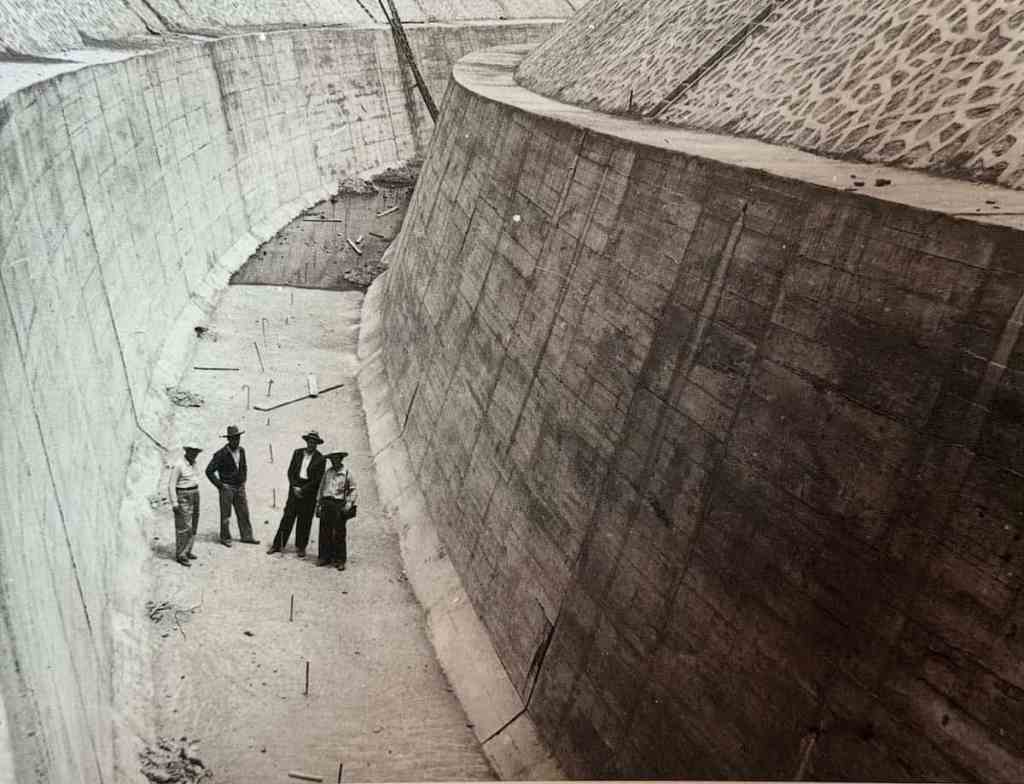
On April 13, 1938, the engineers met in their small, lone office in Mexico City to plot their strategy. They had only 600 pesos in the cashbox. This meager endowment in hand, engineers Ramírez Ulloa and Martínez D’Meza had to make the trek to the site of the proposed dam partially on horseback, since the roads didn’t reach far enough.
They had no money for the most basic tools, so they contributed their personal tools. They relied on prison labor paying 1.5 pesos per day, since they had no workers of their own.
Finally, their trek complete and a group of 50 laborers assembled, they were ready to execute their plan. Not to build anything – but to put on a show. Each laborer was given a set of tools and placed 25 meters apart along the canal’s proposed path. Their instructions were, once they heard a signal, to start working furiously on their patch of ground, kicking up as much dust and noise as possible.
A delegation of local authorities, including the Governor of the State of Mexico, soon arrived to survey the project, and as they came over the hill, the signal was sounded. They witnessed an impressive spectacle of activity, accentuated by random blasts of dynamite set off by the foreman. The spectacle was so impressive, in fact, that two weeks later, their funding started to arrive. And on April 16, 1938, the real construction began.
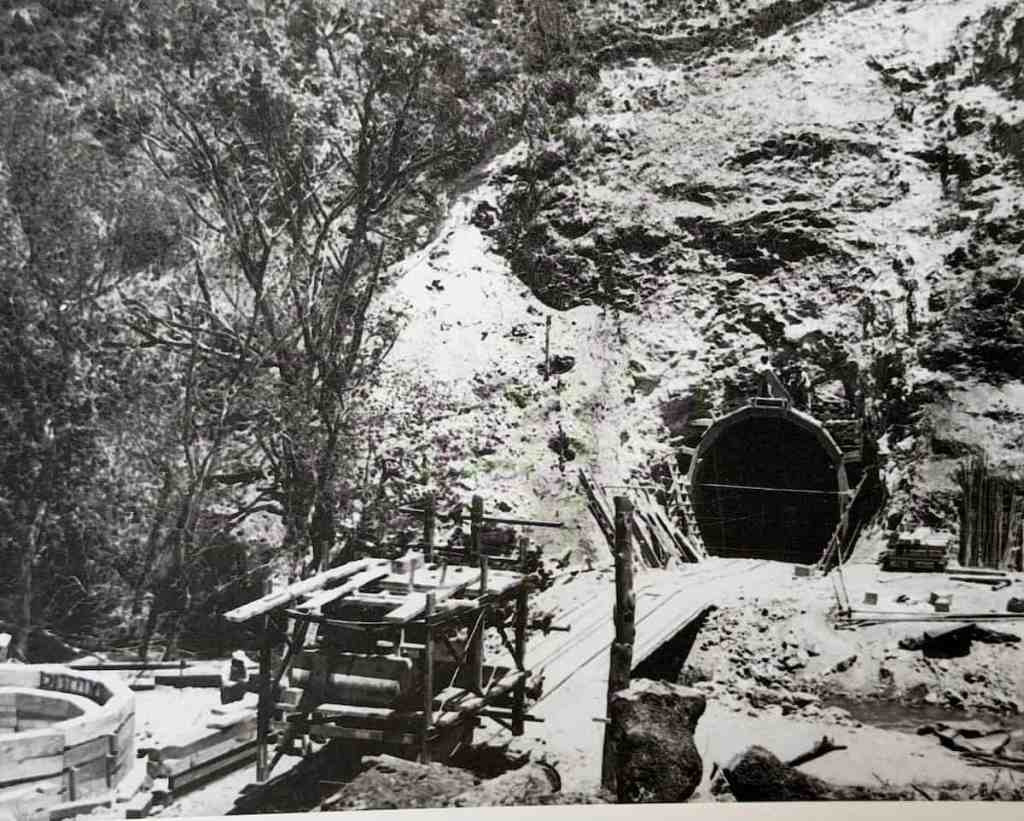
Only twenty days later, 2,500 laborers were busy excavating both the canal and the road needed to access it. They built sheds to house themselves, as well as a masonry house for the resident engineer. The project would unfold over the next eight years.
10 million pesos were invested in total by the nascent republic in the dam’s creation, equivalent to roughly 1.2 billion pesos in 2026 terms (or $60–70 million USD). As a share of the Mexican economy at the time, it was far higher – it represented about 0.13% of the entire national GDP, which would be equivalent to 1.5–2 billion USD today.
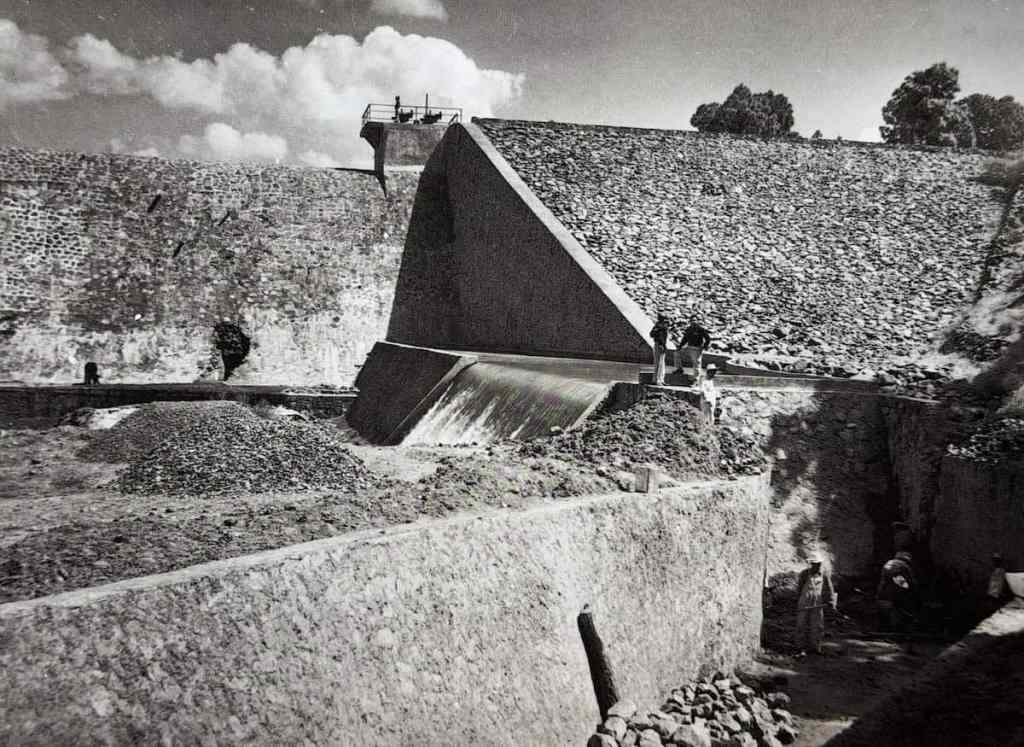
The transformation of the sleepy agricultural valley began on the morning of July 16, 1946, when the gate of the dam was first closed, and the waters of the Tilostoc River and surrounding tributaries began washing over the 2,900 hectares of green pastures that had been farmed and grazed for centuries.
For years, there was little rain, leading some to speculate whether the tremendous investment of resources had been worth it. The valley dried up, and cows were said to graze on what should have been the bottom of the lake. But finally, in 1958 and 1959, the rains came, and the 20-year-old dam finally filled to capacity. From the stored water and the electricity it generated, 70 million pesos of revenue flowed into the government’s coffers at last.

The festival
Our story now jumps forward 25 years, and light years away – from the domain of hard infrastructure to the world of rock ‘n roll.
In September 1971, Valle de Bravo burst onto the national stage once again on the occasion of an era-defining music festival called Rock y Ruedas (Rock and Wheels).
No one imagined that what started as a local music event would turn into the largest rock music festival in Latin America. It took place only two years after the legendary Woodstock festival in the United States, and would come to play a similar role in Mexican history.
The area of Avándaro had a tradition of car races going back twenty years, which attracted young people from Mexico City. In the summer of 1971, the organizers of the race decided to host a “small party” to commemorate it.
They initially planned for 5,000 people to attend, and put that number of tickets on sale. But the festival took place outdoors, in open fields near the Avándaro Golf Club Hotel, which meant there was no way to control the number of attendees.
Throngs of young people began to descend on the town via the winding highway. 24 hours before it was set to begin, there were already 40,000 of them waiting for a dozen scheduled bands to perform, including a headline performance by the Mexican rock band Three Souls in My Mind.
Pandemonium ensued. Shopkeepers closed their doors, unable to cope with the overwhelming crowds. Food and water were in short supply. There was no lodging available, so some of the rowdier visitors began to break into the numerous vacation homes dotting the area. It was the rainy season, and torrential downpours inundated people sleeping in makeshift tents.
But none of this dampened spirits, and an estimated 150,000–200,000 people sang and danced their way through two nonstop days of music and revelry. Despite a ban on alcohol sales, there was widespread nudity, drug use, open-air sex, overdoses, and scrapes and fractures. The event was broadcast live on television, and the debauchery caused a national scandal, with the conservative press calling the attendees “jipitecas” after their American counterparts. The car races were cancelled after that, and the emerging rock ‘n roll scene was suppressed across Mexico as a corrupting influence on the youth.
The Rock y Ruedas festival was nevertheless a major milestone for the Mexican counterculture, and included lectures on ecology, yoga workshops, and experimental theater between the acts. It was also sponsored by Coca-Cola, an early sign of the idealistic motives of the 1960s getting co-opted by corporate interests. The marketing director who led the campaign was Vicente Fox, who would become the president of Mexico 29 years later.
This was another important moment for Mexico’s national identity, forged in the deceptively placid environs of Valle de Bravo. The country was still basking in the pride of having hosted the 1968 Summer Olympics and the 1970 World Cup. But it was also nursing the open wound of the Halconazo, the infamous police crackdown on university students protesting the authoritarian government, which had taken place just four months before in Mexico City.
The roots of that rebellious, freethinking, hippie cultural groundswell can still be found in the DNA of Valle today. It’s in the organic farming and local environmental college, in the crystals and incense sold in local shops, in the sacred geometry and spiritual vibe of the architecture, and in the practices of psychedelic medicine and other healing arts that come up often in everyday conversation. The counterculture is alive and well, now less a revolutionary force and more a mainstream one.
You can watch this short documentary on YouTube for a closer look at Rock y Ruedas: The Avándaro Festival: The History.
The sports
The identity of Valle de Bravo wouldn’t be complete without its sports.
Starting in the early 1950s, the curvy mountainous roads of the region were the site of automobile races. Top drivers of the time, like Moisés Solana, the Rodríguez brothers, and Freddy Van Beuren, came from Mexico City to take part. The modern road known as Circuito Avándaro, which today is home to luxurious mansions, vast ranches, and brand new housing developments, got its start as a racing circuit in this period.
Lake Avándaro, formed by the waters of the dam, became home in these early days to sailing, canoeing, motorboat races, water-skiing competitions, and other watersports, since it was one of the closest places for residents of Mexico City to get on the water. Dozens of sailing clubs were established around the lake’s perimeter, which organized sailing competitions that drew competitors from around the country and even abroad.
But the sporting scene really took off in 1968 for the Olympics, when Avándaro was used for one of the three equestrian competitions. Dignitaries like Prince Philip of Great Britain and Prince Bernhard of Holland attended. Horse breeding and horseback riding became mainstays of Valle from that point forward.
Successive waves of athletes and enthusiasts continued to reshape Valle as new kinds of sports were invented and popularized. The same constant, predictable westward wind that had drawn waterskiiers and sailors of a previous generation to the area, now attracted a new generation of extreme sport practitioners starting in the 1980s.
Hang gliding, paragliding, and windsurfing arrived in that decade, seeking the prevailing winds as well as the numerous peaks as launching points. Valle has since become a national and international destination for many extreme sports, including mountaineering, mountain biking, rock climbing, motocross, and quad-riding in the surrounding mountains.
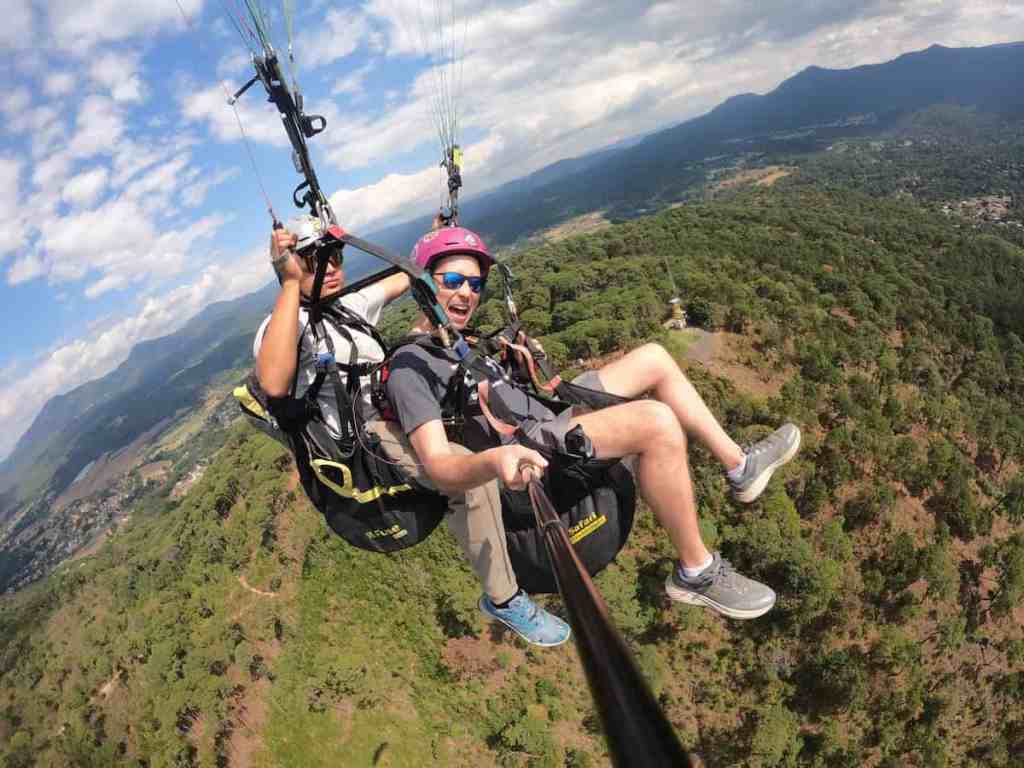
More mainstream sports are common as well, including golf, cycling, tennis, paddle, soccer, and basketball. All of these activities give Valle the status of a sports mecca, with most of the shops lining the main thoroughfares in Avándaro and Valle de Bravo dedicated to the various kinds of gear required.
That culture of outdoor adventurism has imparted a theme of risk-taking, exploration, and pushing past personal limits into the culture of the place, which keeps it a bit rough and frontier-like, balancing out the wealth and glamor of fancy visitors on the weekends.
The pandemic
The COVID-19 pandemic was a pivotal moment in the recent history of Valle de Bravo.
As happened around the world, millions flocked from large, crowded cities to rural areas and small towns, looking for space and access to nature during and after the lockdowns. Valle was perfectly positioned for the moment, perched just a few hours from the capital.
Up until then, it was known for vacation homes that sat empty for much of the year. The population would double or even more on weekends, and die back down as the week started.
But something changed during the pandemic. The combination of so many people experiencing what it was like to live full time in Valle and the surrounding rural areas, plus the growth of remote work, amplified by cultural trends favoring a return to nature and a slower lifestyle, exploded the population even as the pandemic subsided. The completion of a new toll highway in 2011 – the Autopista Toluca–Zitácuaro – had made the trip much more efficient and convenient, paving the way for people to live part-time in Valle and Mexico City as well.
By some accounts, Valle received thousands of new residents in just a few years, as documented by news outlets such as SinEmbargo. Many of them were not technically permanent residents, and retained a home in Mexico City, so they don’t show up in official population counts which remain around 60,000–70,000 inhabitants.
But you do see this growth in the built environment as new home construction took off: a 2023 report from independent journalism nonprofit Causa Natura reported that approximately 120 hectares of forest in the region were being urbanized each year, mostly due to the purchase of large ranches and smaller residential complexes of 10–15 houses. In the same period that the water reserves of the Cutzamala system were hovering near historic lows of 30%, the deforestation of the watersheds that feed that system continued apace.
According to daily newspaper La Jornada, around 80 percent of the shoreline of the Valle de Bravo reservoir was occupied by vacation homes in 2018 (based on a report by the Mexican Center for Environmental Law). Irregular construction, illegal deforestation, contamination of the lake and aquifer, and other unauthorized land use exacerbates the situation. Valle de Bravo has since become the most deforested municipality in the State of Mexico, losing nearly 686 hectares (about 1,700 acres) of forest over 13 years.
You see it everywhere – in the booming construction scene, with housing developments seemingly under construction along all the main highways. The locals talk about how crowded the roads have become, and prices are noticeably on the rise as the area rapidly gentrifies. Valle has always been mostly a chilango destination, practically unknown compared to the likes of San Miguel de Allende, for example. But there also seems to be a rising number of foreigners moving here, attracted by the quality of life, low costs, and proximity to Mexico City.
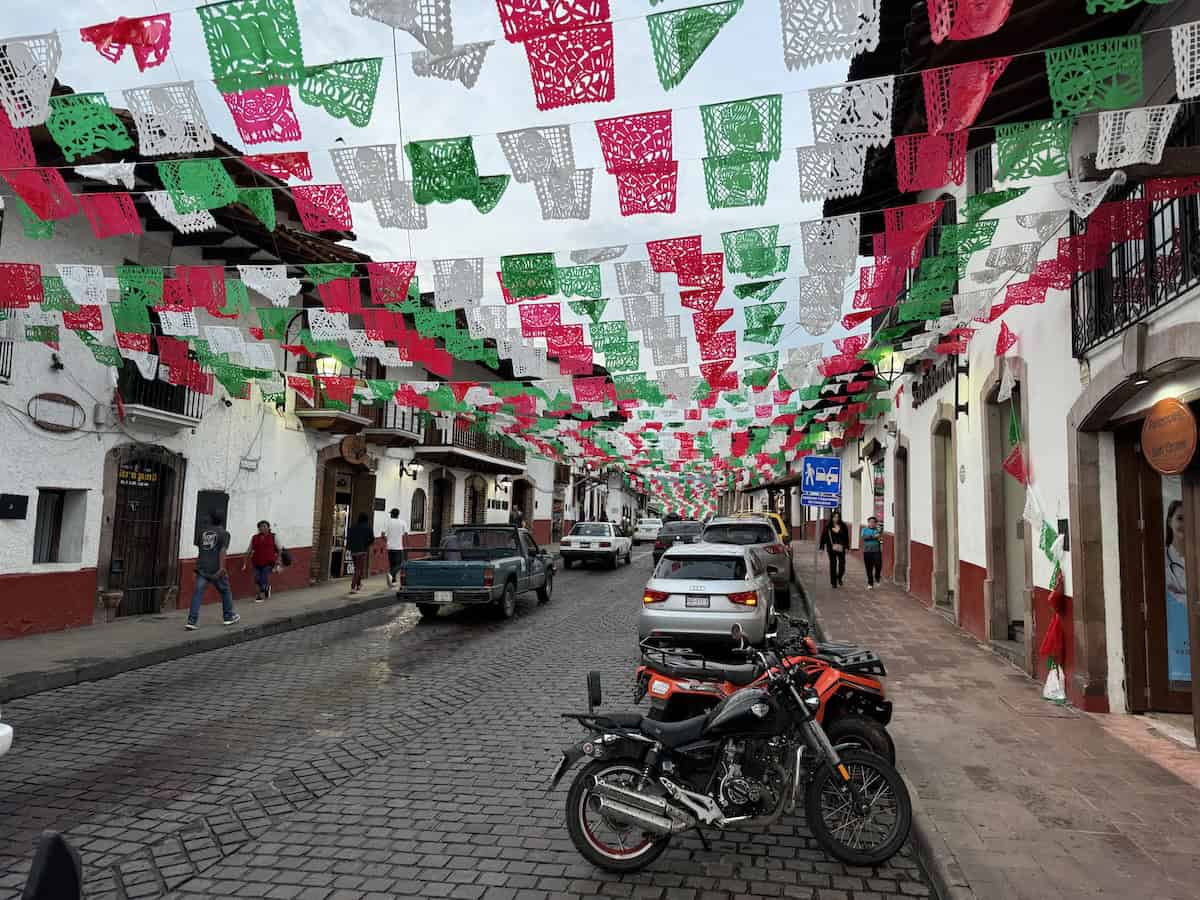
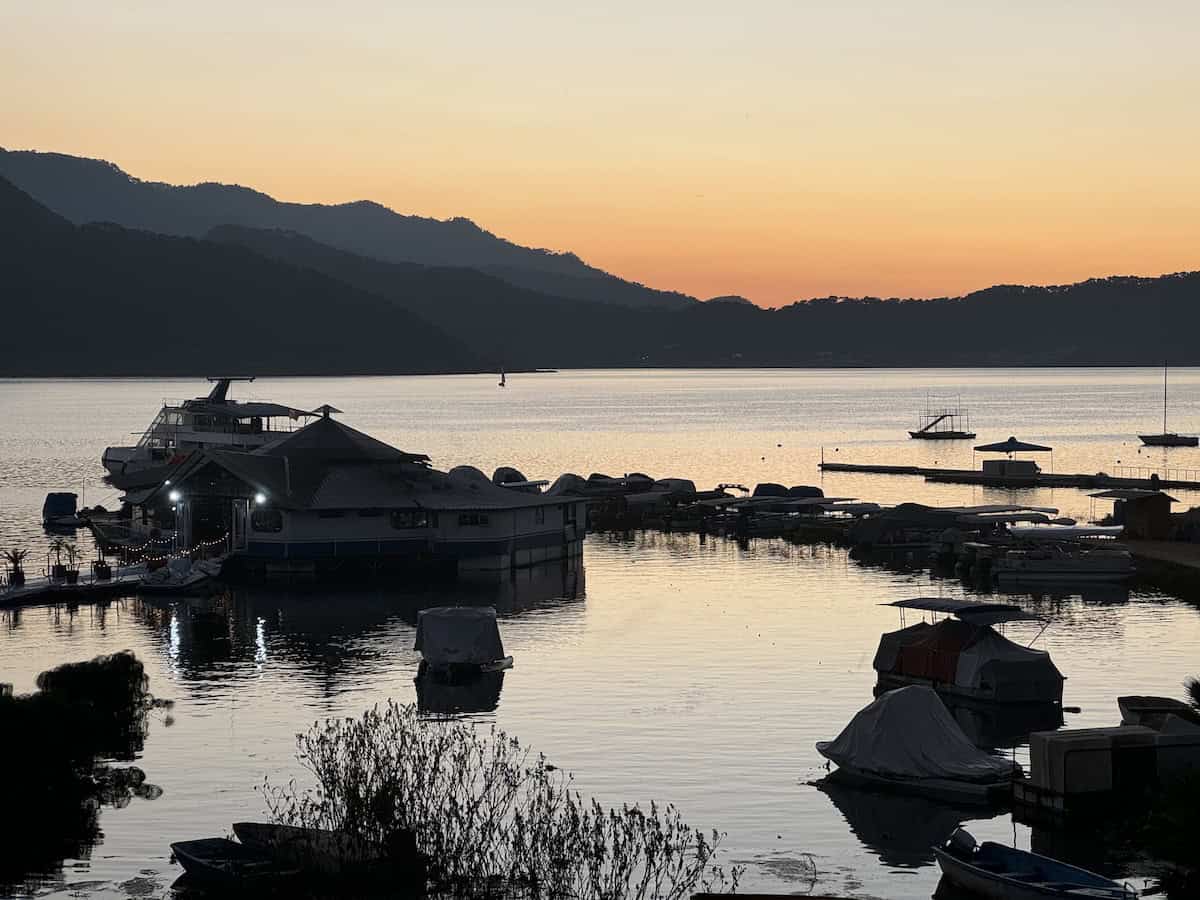

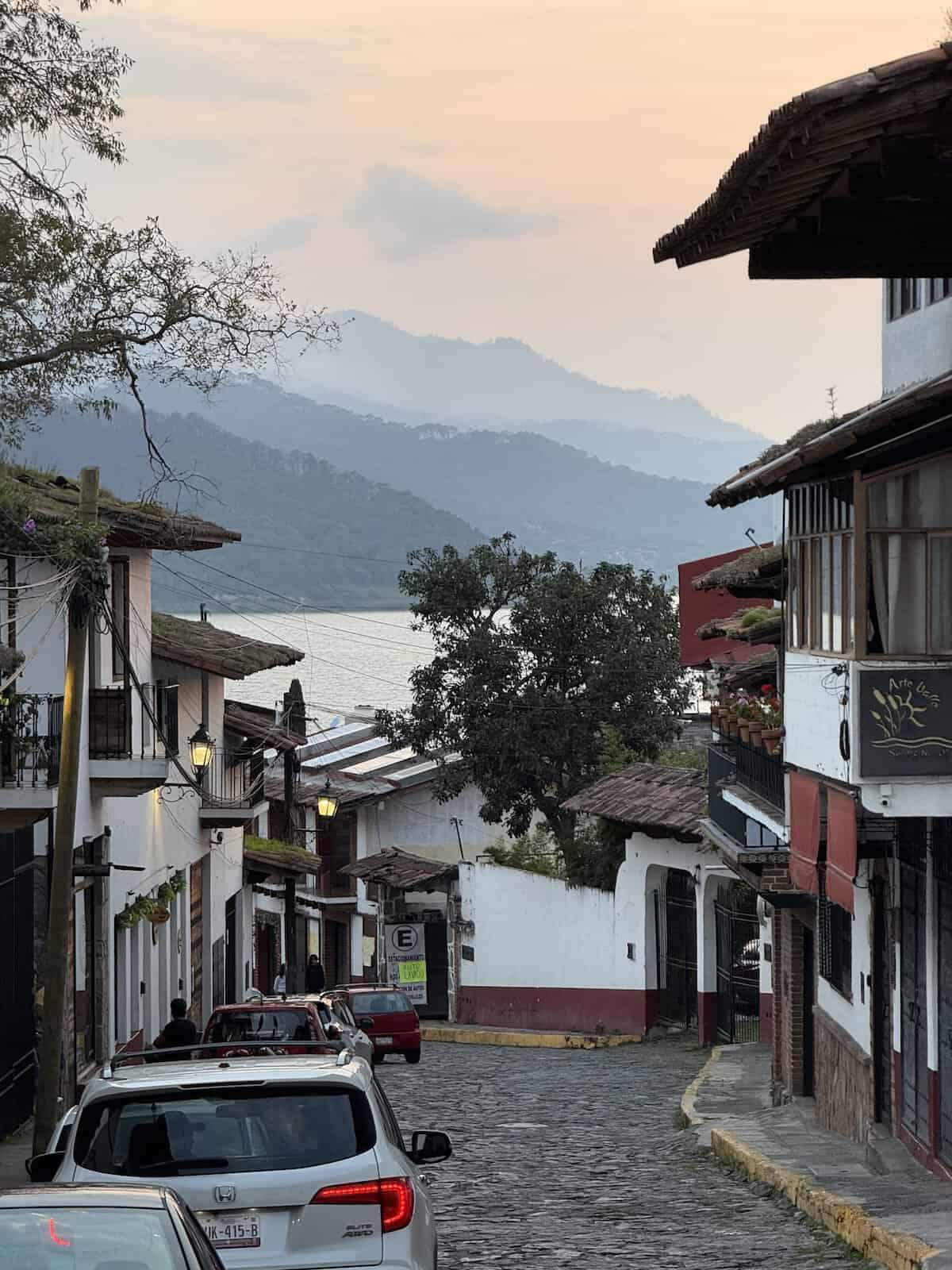
Despite all the growth, there are checks on expansion as well. The nearby Monarch butterfly sanctuary imposes strict limits on development within its bounds. The rugged landscape makes large-scale development challenging, limiting it to single-family homes. Organized crime is also an issue – they have a stranglehold on building materials coming in from the outside, for example, which means those materials often cost 50% more than they should.
Yet I believe that the growth and population influx of recent years is only beginning, and that Valle de Bravo is poised to become one of the great mountain towns of North America. It has everything:
- Proximity to a great metropolis, yet not so close that it becomes only a bedroom community of commuters
- Spring-like weather year-round, accompanied by a long rainy season that just gives you a good excuse to travel
- An incredible natural landscape mixing subtropical and highland evergreen vegetation, a rare combination in Mexico
- An underlying hippie counterculture that attracts open-minded people and balances out the conservatism of Mexican culture
- A menu of sports and other adventurous activities, wide and deep enough to keep anyone engaged for years
- A relatively wealthy, cultured population that attracts fine dining, cultural experiences, and high-quality amenities, but with a slightly rugged way of life that prevents it from becoming too posh
- The warmth of Mexican culture, accentuated by the neighborliness of a town that’s still relatively small-feeling, making it unusually open to newcomers and foreigners
- A vibrant social scene for families, including artists, chefs, musicians, healers, entrepreneurs, content creators, academics, philosophers, filmmakers, and almost anyone else you can imagine, far out of proportion to the size of the place
Valle tends to attract a very specific kind of person – well-to-do and established enough that they can afford to move to a mountain town away from the capital; family-centric and nature-loving since those are the two big aspects of vallesano life; and they usually also have an open mind and a spiritual side, drawn to its unmistakable atmosphere of reflection and inner seeking.
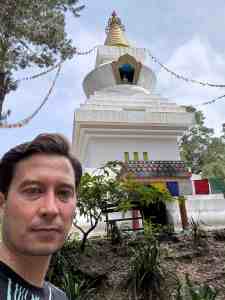
That spirit of seeking is manifested in the Gran Stupa Bön para la Paz Mundial, the largest Buddhist Stupa in the Americas, which is found in Valle. It is a testament to how clearly past generations sensed a deeper significance to this place. That significance endures, though it is difficult to pin down and explain. It’s in the mountain spring water, in the local festivals, in the warmth in people’s eyes as they meet yours.
Fray Gregorio came here with a mission and crossed cultures with his courage. The engineers came with 600 pesos and built a dam through sheer audacity. The hippies came for a weekend and gave birth to the counterculture. The chilangos came for vacation and stayed forever. I came from California with a list of questions, and what I found was something more.
There are places that touch your heart in tender ways. That mirror back to you your values more clearly than you even understood them yourself. That reveal new aspects of humanity, of history, and even reality than you knew. When you find such a place, it’s important to understand it, to know it, to allow it into you.
Mexico has given us things we didn’t even know we were looking for: the unofficial padrinos at school who’ve adopted our kids as their own, the multi-generational warmth of families that stick closely together, the fluidity of time and the spaciousness that allows for, and the absence of certain American pressures for endless achievement and control.
Mexico has taught me that convenience is meaningless. That is, when you make something totally efficient and streamlined – whether preparing food, picking up your kids from school, or running errands around town – you inevitably drain it of what makes it meaningful. This is hard to see in the moment, because inconvenience feels mainly frustrating, like an imposition on the life you want to be living.
But the main way to make things more convenient, to make them more efficient, is to remove people from the process. We’ve been doing so relentlessly in the U.S. for decades. You can now eat, shop, study, work, exercise, or whatever else you want without having to speak to a single soul. It’s all wonderfully efficient. And incredibly lonely and isolating.
What Mexico has taught me is the opposite: to introduce people into every process. To optimize for human connection, even at the cost of time and hassle. To insist on maintaining the rough edges and the friction, even when you have the choice of eliminating them. You pay that cost in the short term, but in the long term you gain so much more: more intimate relationships, more resilient communities, and a country that feels unified rather than at war with itself. As everything in the physical and digital worlds gets more and more flimsy, everything in the relational world seems to be getting sturdier and stronger in comparison.
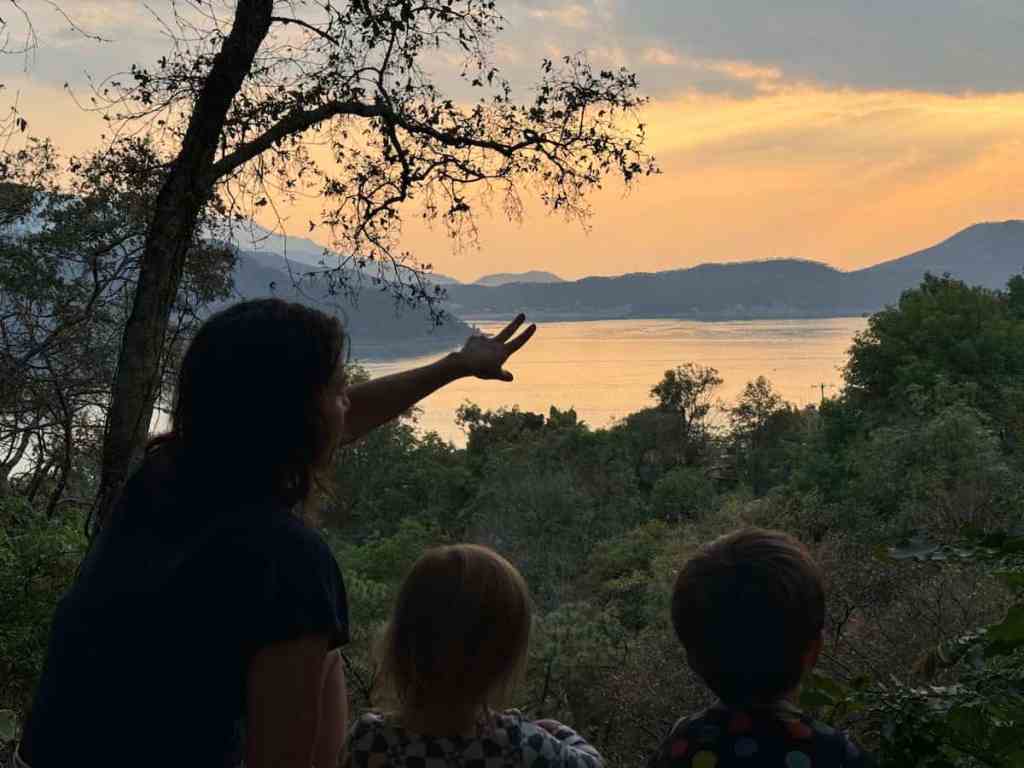
Most people seem to pick where to live based on cost, commute, or career. But I think the right question is which place is aligned with who you’re trying to become. Whether it’s actively shaping us into better kinds of people and families, or bringing out the worst in us.
The viability of remote work has increasingly called into question where we truly want to live, when we’re not limited to certain urban centers where the jobs are. That’s not only a geographic question – it enables whole new ways of living that just weren’t feasible before. The range of possible lifestyles has exploded, and thus the importance of deciding proactively which one(s) we want to adopt as our own.
I think the rise of AI will have a similar, but much more magnified effect. As long as you’re tethered to your desk, stuck trading time for money, there were real limits to where and how you could live. But with each passing month, AI can work longer on its own without our intervention. Right now that means hours, but soon it will mean days, and then weeks, and then maybe even months or indefinitely.
Who will we choose to become when work is not the central priority around which all others revolve? How will we decide to spend our time when most of it is not already spoken for by a job defined as “9 to 5”? How will we define ourselves when our work ceases to be an identity, and becomes more like an implementation detail?
I don’t know, but Valle de Bravo is beginning to suggest answers out of the deep well of its 500 years of history and culture.
Sources: All of the historical information and photos in this piece are drawn from two books:
Valle de Bravo: Herencia y Promesa. López Domínguez, Leonor, and Andrés Latapí. Fotografía by Sebastián Saldívar and Humberto Guadarrama. México: Grupo Financiero Prime Internacional, 1992.
Valle de Bravo, Pueblo Mágico: Relatos, rincones y rostros. Gómez-Palacio, Ignacio. Toluca de Lerdo: Secretaría de Educación del Gobierno del Estado de México / Fondo Editorial Estado de México, 2017.
Follow us for the latest updates and insights around productivity and Building a Second Brain on X, Facebook, Instagram, LinkedIn, and YouTube. And if you’re ready to start building your Second Brain, get the book and learn the proven method to organize your digital life and unlock your creative potential.
- Posted in Digital nomads, Personal growth, Self-tracking
- On
- BY Tiago Forte